


Views: 0 Author: Site Editor Publish Time: 2025-10-09 Origin: Site


Ever wondered how industries efficiently control airflow? Butterfly backdraft damper are key players in this process. They regulate gases and liquids, ensuring smooth operations. In industrial settings, their compact design and quick response are crucial. This article explores the benefits of butterfly dampers, focusing on their efficiency, cost-effectiveness, and diverse applications. You'll learn why they're indispensable in various systems, including HVAC and power plants.
A butterfly damper is a specialized valve used to regulate or isolate the flow of gases or liquids in ductwork or piping systems. Its name comes from the circular disc inside the valve, which resembles a butterfly’s wings when viewed from above. This disc is mounted on a rod that runs through its center, allowing it to rotate inside the valve body.
The core component of a butterfly damper is the circular disc or plate. This disc pivots around a central shaft, which is connected to an actuator or a manual lever. When the disc turns 90 degrees, it either fully opens or fully closes the valve, controlling the flow through the pipe or duct. The valve body houses the disc and provides the sealing surface to prevent leaks when closed.
Key components include:
● Disc (or plate): Controls flow by rotating inside the valve.
● Shaft: Connects the disc to the actuator or manual control.
● Valve body: Holds the assembly and connects to the duct or piping.
● Seals: Ensure tight closure to prevent leakage; can be metal-to-metal or elastomeric.
Butterfly dampers differ from other types, such as louver dampers, which have multiple blades or wafers. While all butterfly valves are dampers, not all dampers are butterfly valves. Compared to ball or gate valves, butterfly dampers are simpler, lighter, and more compact. Their quarter-turn operation allows for quick flow changes, unlike globe valves that require multiple turns.
Unlike louver dampers, which regulate flow by opening several blades, butterfly dampers use a single disc to control the flow. This makes butterfly dampers easier to maintain and install in tight spaces.
Operating a butterfly damper involves rotating the disc inside the valve body. When the disc aligns parallel to the flow, it offers minimal resistance, allowing maximum flow. Rotating the disc perpendicular to the flow stops it completely. Intermediate positions regulate flow by partially obstructing the passage.
The disc’s rotation can be controlled manually through a lever or gear, or automatically using actuators powered by electric, pneumatic, or hydraulic systems. Automated control enables precise positioning, improving system efficiency and responsiveness.
The sealing mechanism is crucial. When closed, the disc presses against a sealing surface, preventing leaks. Some designs use flexible seals to achieve near-perfect shutoff, while others rely on metal-to-metal contact for durability in high-temperature or abrasive environments.
Butterfly dampers offer several benefits that make them a popular choice in various industries. Here’s a detailed look at their key advantages:
Butterfly dampers have a slim, lightweight design. This compactness allows easy installation even in tight spaces where larger valves might not fit. Their simple structure means they take up less room in piping or duct systems, making them ideal for environments with limited space.
Compared to other valve types like ball or gate valves, butterfly dampers are generally more affordable. They require fewer materials to manufacture and have fewer moving parts, which translates to lower production and maintenance costs. This cost advantage makes them attractive for large-scale industrial applications.
Butterfly dampers operate with a simple quarter-turn (90 degrees) rotation. This quick action allows for rapid opening or closing, which is crucial in processes needing fast flow regulation or emergency shut-off. The fast response helps improve process control and safety.
When fully open, the damper disc aligns with the flow direction, causing minimal resistance. This design reduces pressure drops across the valve, helping maintain system efficiency. Lower pressure drops mean less energy is needed to push fluids or gases through the system, saving operational costs.
Modern butterfly dampers come with high-quality seals that prevent leaks effectively. These seals can be elastomeric or metal-to-metal, depending on the application. Many dampers achieve sealing efficiencies close to 99.9%, ensuring no unwanted flow or contamination occurs when closed.
Their versatility allows butterfly dampers to be used in HVAC systems, power plants, chemical processing, steel manufacturing, and exhaust systems. They can handle various temperatures and pressures, making them adaptable to diverse industrial needs.
Due to their simple construction and fewer parts, butterfly dampers need less maintenance than other valve types. Routine inspections and occasional lubrication usually suffice to keep them running smoothly. This reduces downtime and maintenance expenses over their lifespan.
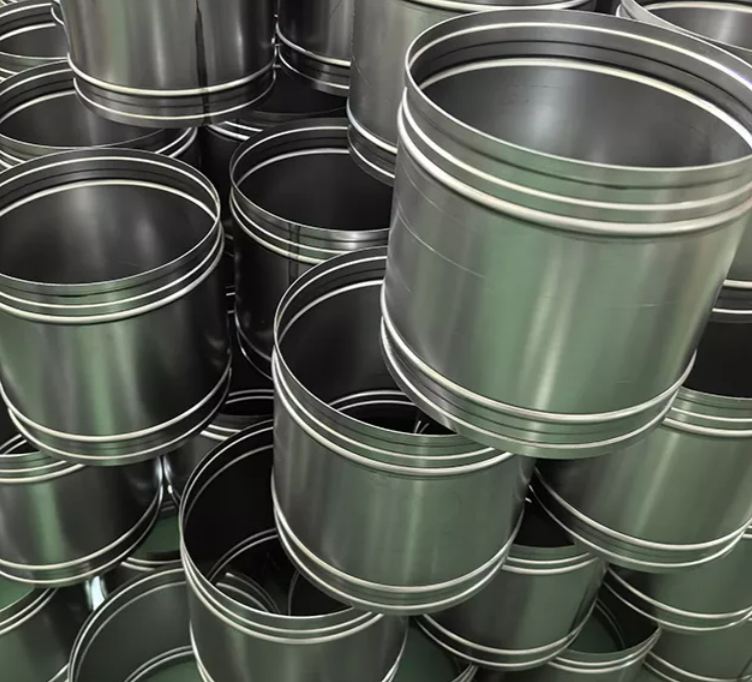
Butterfly dampers are versatile devices widely used in many industries. Their efficient flow control and compact design make them ideal for various applications. Let’s explore some key uses.
In heating, ventilation, and air conditioning (HVAC) systems, butterfly dampers regulate airflow through ductwork. They help maintain comfortable temperatures by adjusting the volume of air delivered to different zones. Their ability to handle high temperatures and resist corrosion makes them suitable for commercial and residential buildings alike. These dampers also contribute to energy savings by optimizing airflow and reducing unnecessary heating or cooling.
Power plants rely on butterfly dampers to control combustion air and flue gas flows. These dampers help regulate the air-to-fuel ratio, optimizing combustion efficiency and reducing emissions. They also isolate sections of ductwork during maintenance or emergency shutdowns. Because power plants operate under high temperatures and pressures, butterfly dampers designed for these conditions are robust and often feature special seals and materials to withstand harsh environments.
In energy generation, especially gas turbines and combined cycle plants, butterfly dampers regulate fuel and air supply. Precise control of these flows ensures efficient combustion and safe operation. Automated butterfly dampers integrated with control systems allow real-time adjustments to meet changing load demands. Their quick response time and reliability are critical in maintaining stable power output.
Industrial ventilation and exhaust systems use butterfly dampers to control airflow and prevent backflow. They help maintain air quality by directing exhaust gases safely out of facilities. In environments like chemical plants or manufacturing units, these dampers withstand corrosive gases and particulate matter. Their sealing capabilities prevent leaks, protecting workers and equipment.
Butterfly dampers find use in diverse industries such as chemical processing, steel manufacturing, mining, and wastewater treatment. They regulate the flow of gases, liquids, and slurries in pipelines and ductwork. Their adaptability to various sizes, materials, and actuator types makes them suitable for custom applications. For example, in chemical plants, they control corrosive gas flows, while in steel plants, they manage hot air and flue gases.
Butterfly dampers work by rotating a circular disc inside a pipe or duct. This disc, mounted on a central shaft, swings like a gate to control flow. When the disc aligns parallel to the flow, it offers little resistance, allowing fluids or gases to pass freely. Turning the disc perpendicular blocks the flow entirely. By adjusting the disc's angle between fully open and fully closed, the damper regulates flow precisely, creating a variable restriction that controls volume and pressure.
This simple rotational movement enables quick and effective flow control. The disc's position directly affects the flow rate and pressure drop across the valve. For example, a 45-degree disc angle partially obstructs flow, reducing volume while maintaining control.
Butterfly dampers can be operated manually or automatically. Manual control uses a lever or handwheel, allowing operators to adjust the disc position directly. This method suits smaller systems or where automation isn't feasible.
Automated control employs actuators powered electrically, pneumatically, or hydraulically. These actuators receive signals from control systems and adjust the disc position precisely without human intervention. Automation offers benefits like remote operation, quick response times, and integration into complex process controls. For instance, in power plants, automated butterfly dampers adjust airflow instantly based on demand, improving efficiency and safety.
Electric actuators often use less energy than pneumatic ones, as pneumatic actuators require continuous compressed air supply. Choosing the right actuator depends on factors like energy consumption, control precision, and system complexity.
The butterfly damper’s design allows smooth modulation of flow rates. Its quarter-turn operation means it can open or close quickly, essential for emergency shut-offs or rapid process changes. The damper’s disc creates a controlled pressure drop when partially closed, influencing flow velocity and volume.
Because the disc rotates within the pipe, it can cause some turbulence and pressure loss when partially closed. However, butterfly dampers generally have lower pressure drops than other valve types like globe valves, making them energy efficient.
Their sealing design ensures minimal leakage when closed, maintaining system integrity. This tight shutoff is critical in processes requiring isolation or contamination prevention.
Calculating the torque needed to operate a butterfly damper is essential for selecting the right actuator and ensuring smooth, reliable performance. Several factors influence the torque calculation, and understanding these helps avoid operational issues and extends the damper’s lifespan.
1. Damper Size and DiameterLarger dampers require more torque to rotate the disc against the flow forces. Torque increases with the square of the damper’s diameter, so even small size changes can significantly impact torque requirements.
2. Pressure Differential Across the DamperThe difference in pressure on either side of the damper creates a force that resists disc movement. Higher pressure differentials demand more torque to open or close the damper.
3. Flow CharacteristicsThe velocity and nature of the fluid or gas affect torque. Turbulent or viscous fluids increase resistance, requiring higher torque.
4. Seal Type and ConditionSeals create friction that adds to the torque needed. Elastomeric seals typically have higher friction than metal-to-metal seals. Worn or damaged seals can increase torque unexpectedly.
5. Damper Orientation and InstallationVertical installations may add gravitational forces, increasing torque. Also, improper installation causing disc contact with the pipe or flanges raises torque needs.
6. Temperature and Material ExpansionThermal expansion can change clearances and friction. High temperatures may cause materials to expand, increasing resistance to disc rotation.
Including a safety margin in torque calculations is critical. It accounts for unexpected conditions like debris buildup, seal wear, or pressure spikes. Typically, engineers add 25-50% safety margin to the calculated torque to ensure the actuator can handle all operating scenarios without strain.
The friction coefficient between moving parts affects torque significantly. Bearings, shaft seals, and disc-to-seat contact contribute friction. Knowing typical friction values for these components helps refine torque estimates. For example, graphite-impregnated bearings reduce friction, lowering torque requirements.
Once the total torque requirement is calculated—including flow forces, friction, and safety margin—the actuator must be chosen accordingly. Actuators come rated by torque output, so selecting one with a torque rating at or above the calculated value is essential. Undersized actuators may fail or cause premature wear, while oversized ones waste energy and cost more.
Actuator types vary:
● Electric actuators provide precise control and are energy efficient.
● Pneumatic actuators offer fast response but consume compressed air continuously.
● Hydraulic actuators deliver high torque for heavy-duty applications but require complex systems.
Proper maintenance ensures butterfly dampers perform reliably and last longer. Regular care prevents unexpected failures and costly downtime. Here are key maintenance practices to keep butterfly dampers in top shape:
Lubricate the stem and bearings periodically. This reduces friction and wear, allowing smooth rotation of the disc. Use lubricants recommended by the manufacturer to avoid damaging seals or components. Proper lubrication prevents stiffness and extends the life of moving parts.
If the damper uses an actuator—whether electric, pneumatic, or hydraulic—follow the manufacturer’s instructions for upkeep. Inspect electrical connections, pneumatic lines, or hydraulic fluid levels regularly. Check for leaks, corrosion, or loose fittings. Testing actuator response and calibration ensures the damper operates accurately and safely.
Test the damper frequently, especially in critical systems. Confirm the disc rotates smoothly through its full range without sticking or excessive resistance. Verify the actuator responds correctly to control signals. Testing helps detect early signs of wear, seal failure, or mechanical issues before they cause major problems.
● Inspect seals for wear or damage and replace as needed to maintain tight shutoff.
● Check for debris or buildup inside the valve body that could obstruct movement.
● Ensure the damper is free from corrosion or material degradation, especially in harsh environments.
● Confirm the damper disc does not contact the pipe or flanges during operation, avoiding premature wear.
Consistent maintenance reduces repair costs and downtime. It also helps maintain the damper’s energy efficiency by ensuring proper sealing and smooth operation.
Butterfly dampers offer compact design, cost-effectiveness, quick operation, and low maintenance, making them ideal for diverse applications. Their efficient flow control and sealing capabilities enhance system performance. Choosing butterfly dampers ensures reliable operation and energy savings. Explore further to understand how these versatile devices can benefit your industry needs. For high-quality solutions, consider METECHWORKS, offering innovative products that maximize efficiency and value in various industrial settings.
A: A Butterfly Backdraft Damper is a specialized valve that regulates or isolates gas or liquid flow in ductwork or piping systems, using a rotating disc for control.
A: It works by rotating a disc inside a valve body, aligning parallel for maximum flow or perpendicular to stop flow, controlled manually or automatically.
A: It offers compact design, cost-effectiveness, quick operation, low pressure drop, and wide application range, making it ideal for various industries.
A: Benefits include space efficiency, cost savings, rapid response, energy efficiency, effective sealing, and low maintenance needs.
A: Regular lubrication, actuator maintenance, testing, and seal inspections are crucial to ensure reliable performance and longevity.


