


Views: 0 Author: Site Editor Publish Time: 2025-10-15 Origin: Site


In modern industrial environments, effective ventilation is crucial not only for ensuring a safe and comfortable workspace but also for maintaining the efficiency and longevity of machinery. One often overlooked yet vital component in ventilation systems is the Butterfly Backdraft Damper. These dampers play a key role in controlling airflow, preventing backflow, and maintaining optimal system performance. In this article, we will explore the common applications of butterfly backdraft dampers in industrial ventilation, highlighting their importance across various industries and environments.
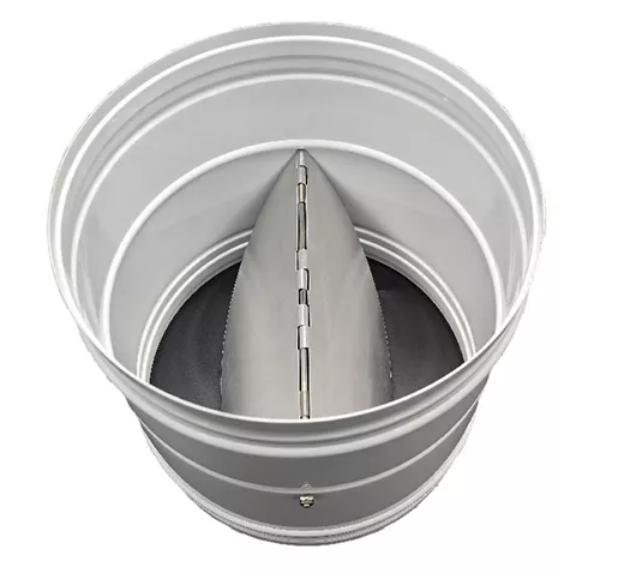
A Butterfly Backdraft Damper is a type of air control device installed in ductwork to prevent reverse airflow in ventilation systems. Unlike standard dampers, which manually or automatically regulate airflow, backdraft dampers are designed to respond automatically to changes in pressure. When air flows in the intended direction, the damper opens freely; when reverse airflow occurs, the damper closes, preventing unwanted air, dust, fumes, or odors from moving backward through the system.
These dampers are typically circular and pivot around a central axis, resembling the motion of a butterfly wing—hence the name. They are lightweight, durable, and require minimal maintenance, making them ideal for industrial applications where reliability is paramount.
Before diving into specific applications, it’s important to understand the main features that make butterfly backdraft dampers effective:
Automatic Operation: The damper responds automatically to airflow changes, reducing the need for manual intervention.
Energy Efficiency: By preventing reverse airflow, the damper helps maintain optimal ventilation pressure, reducing energy consumption in fans and HVAC units.
Durable Construction: Commonly made from stainless steel, galvanized steel, or aluminum, these dampers resist corrosion and withstand high-temperature and high-pressure environments.
Low Maintenance: Fewer moving parts and robust construction make these dampers low-maintenance solutions for long-term operation.
Versatility: Suitable for round and rectangular ducts, and adaptable to various system sizes and airflow rates.
With these features in mind, let’s explore where butterfly backdraft dampers are most commonly applied in industrial settings.
Manufacturing facilities often rely on complex and extensive ventilation systems to manage heat, fumes, dust, and other airborne particles generated during production processes. Maintaining proper airflow is essential not only for worker safety but also for protecting sensitive machinery and ensuring smooth operational efficiency. Butterfly backdraft dampers are a crucial component in these ventilation systems, providing automatic control to prevent reverse airflow and maintain optimal air quality throughout the facility.
In metalworking shops, activities such as welding, cutting, grinding, and machining produce significant amounts of smoke, dust, and hot air. Without effective backdraft prevention, these contaminants can re-enter workspaces, creating hazardous conditions and reducing air quality. Installing butterfly backdraft dampers in the ductwork ensures that fumes are efficiently exhausted and that no harmful air flows backward into the shop.
For plastic manufacturing facilities, ventilation plays a critical role in removing chemical fumes and volatile organic compounds (VOCs) generated during molding, extrusion, and finishing processes. Butterfly backdraft dampers prevent these harmful gases from re-entering production areas when exhaust fans are turned off, safeguarding employee health and maintaining compliance with environmental regulations.
In automotive assembly lines, dust, paint fumes, and exhaust gases from machinery and painting booths can easily accumulate, affecting both product quality and worker safety. Butterfly backdraft dampers help maintain consistent airflow, ensuring that clean air is delivered to critical work zones while preventing contamination from backflow.
Overall, by controlling airflow direction and preventing backflow, butterfly backdraft dampers help manufacturing plants comply with health and safety standards, reduce maintenance costs, and maintain a clean and efficient production environment for employees and equipment alike.
Food processing industries have stringent hygiene requirements, making controlled airflow essential. Butterfly backdraft dampers are commonly used to:
Maintain Clean Air Zones: Dampers prevent contaminated air from entering areas where food is processed or packaged.
Control Odors: Backdraft dampers help isolate areas like waste disposal or cooking zones, preventing unwanted odors from affecting production areas.
Support Temperature and Humidity Control: Proper airflow ensures that temperature-sensitive processes, such as baking or refrigeration, remain stable and consistent.
In these environments, dampers are often made of stainless steel to meet sanitation standards and withstand frequent cleaning.
Industrial ventilation in chemical and pharmaceutical plants must deal with potentially hazardous gases, vapors, and dust. Butterfly backdraft dampers are used to:
Prevent Contaminant Spread: By stopping reverse airflow, dampers reduce the risk of cross-contamination between different production areas.
Protect Sensitive Equipment: Certain chemical reactions or laboratory processes require precise ventilation; backdraft dampers help maintain consistent airflow and pressure.
Enhance Safety Compliance: These dampers support adherence to strict OSHA and EPA regulations by minimizing exposure to harmful substances.
In these applications, the material selection is critical. Stainless steel or coated dampers are preferred for their resistance to corrosion and chemical degradation.
Although not strictly industrial, commercial buildings often incorporate industrial-grade ventilation solutions, particularly in high-rise buildings, hospitals, and large office complexes. Butterfly backdraft dampers are used to:
Prevent Unwanted Airflow: When HVAC systems shut down, dampers prevent conditioned air from escaping and external air from entering.
Improve Energy Efficiency: By blocking reverse airflow, energy losses are minimized, reducing the overall cost of heating or cooling.
Reduce Noise Transmission: Dampers help dampen sound that might travel through the duct system, enhancing occupant comfort.
In these scenarios, dampers are integrated into air-handling units and ductwork, ensuring seamless operation alongside other HVAC components.
Power generation and boiler systems produce high volumes of exhaust gases, heat, and particulate matter. Butterfly backdraft dampers play a critical role in:
Controlling Exhaust Flows: Dampers prevent backflow of flue gases, protecting sensitive equipment and ensuring safe operation.
Maintaining Draft Efficiency: Proper airflow management improves combustion efficiency and reduces fuel consumption.
Ensuring Worker Safety: By controlling the direction of hot gases and fumes, dampers help create safer working conditions.
These dampers are designed to withstand high temperatures and corrosive environments, often using heavy-duty stainless steel or high-temperature alloys.
Many industrial processes generate dust, which can pose health hazards and create fire risks if not managed properly. Butterfly backdraft dampers are commonly installed in:
Cement Plants: Dust-laden air is vented through large ducts, with dampers preventing reverse flow that could contaminate production areas.
Woodworking Facilities: Sawdust and wood particles are extracted efficiently, with backdraft dampers preventing accumulation in ducts.
Pharmaceutical Dust Extraction: Fine powders are vented safely, ensuring compliance with strict environmental and safety regulations.
By preventing backflow, these dampers maintain system efficiency and reduce maintenance costs associated with dust accumulation.
Large commercial kitchens in hotels, restaurants, or catering facilities rely on ventilation to manage smoke, grease, and heat. Butterfly backdraft dampers are used to:
Prevent Smoke Reentry: Dampers stop smoke and fumes from entering the kitchen or dining areas when exhaust fans are off.
Enhance Odor Control: Prevent odors from spreading to adjacent spaces, maintaining a pleasant environment.
Support Energy Efficiency: By maintaining proper airflow, dampers help reduce the energy load on exhaust fans and HVAC systems.
These applications often use stainless steel dampers for corrosion resistance and ease of cleaning.
When integrating butterfly backdraft dampers into an industrial ventilation system, several factors must be considered:
Correct Sizing: Dampers must match the duct diameter and airflow requirements to operate effectively.
Material Selection: Choose corrosion-resistant materials for environments exposed to chemicals, moisture, or high temperatures.
Maintenance Accessibility: Install dampers in locations that allow for inspection, cleaning, and occasional lubrication.
Pressure and Velocity: Ensure the damper can handle the expected airflow velocity and pressure without excessive noise or wear.
Integration with Controls: While backdraft dampers are automatic, coordinating them with other ventilation controls can enhance system efficiency.
The widespread use of butterfly backdraft dampers in industrial ventilation systems is due to the tangible benefits they offer:
Safety Enhancement: By preventing backflow of hazardous gases, dust, and fumes, they protect workers and equipment.
Energy Savings: Reduce unnecessary fan operation and air loss, lowering operational costs.
System Longevity: Minimize wear on fans, motors, and ductwork caused by reverse airflow.
Regulatory Compliance: Support adherence to health, safety, and environmental regulations.
Low Maintenance Requirements: Simple design and durable materials reduce the frequency of maintenance and downtime.
Butterfly backdraft dampers are indispensable components in modern industrial ventilation systems. From manufacturing plants and food processing facilities to chemical plants, power stations, and commercial kitchens, these dampers ensure proper airflow, prevent backflow, enhance energy efficiency, and promote safety. Their versatility, durability, and automatic operation make them a preferred choice for engineers and facility managers aiming to maintain high-performance ventilation systems.
For businesses looking to implement reliable butterfly backdraft dampers in their industrial ventilation setups, Ningbo Atechsafe Electrical Technology Co., Ltd. offers a wide range of high-quality solutions. Their products are designed to meet the rigorous demands of industrial environments, combining durability, efficiency, and precision engineering. Contacting them can provide tailored guidance and ensure that your ventilation system achieves optimal performance.


