


Views: 0 Author: Site Editor Publish Time: 2025-10-09 Origin: Site


Ever wondered how to adjust a butterfly damper for optimal airflow? Butterfly backdraft dampers are essential in regulating airflow, impacting comfort and efficiency. Choosing the right damper is crucial for system performance and energy savings. In this post, you'll learn about butterfly dampers, their components, types, and how to select the best one for your needs.
A butterfly damper consists of several key parts that work together to regulate airflow effectively:
● Damper Plate: The central circular disc that rotates to open or close the airflow path.
● Shaft or Stem: Connects the damper plate to the actuator or handle, enabling rotation.
● Actuator or Handle: The mechanism used to manually or automatically adjust the damper plate position.
● Damper Frame: The housing that holds the damper plate and fits inside the ductwork.
● Seals or Gaskets: Surround the damper plate edges to minimize air leakage when closed.
These components ensure the butterfly damper can control airflow efficiently, balancing comfort and system performance.
Butterfly dampers regulate airflow by rotating their damper plate inside the duct. When the plate aligns parallel to the duct, it allows maximum airflow. Rotating the plate perpendicular blocks airflow almost entirely. Adjusting the plate to intermediate angles controls the volume of air passing through.
The rotation is typically controlled by:
● Manual Handles or Levers: Users physically turn the damper plate to the desired position.
● Automatic Actuators: Motors adjust the damper based on signals from thermostats or building automation systems.
By modulating airflow, butterfly dampers help balance temperatures across different zones, reduce energy consumption, and maintain indoor air quality.
Tip: Regularly inspect damper seals and actuators to ensure smooth operation and prevent air leaks that can reduce system efficiency.
Butterfly dampers come in two main types based on how they are controlled: manual and automatic.
● Manual Dampers: These require a person to physically adjust the damper plate using a handle or lever. They are simple, cost-effective, and easy to install. Manual dampers are ideal for systems where airflow changes are infrequent or where precise control is not critical. For example, in small commercial buildings or residential HVAC systems, manual dampers allow users to balance airflow by opening or closing the damper as needed.
● Automatic Dampers: These use electric, pneumatic, or hydraulic actuators to adjust the damper plate automatically. They respond to signals from thermostats, building management systems, or sensors, enabling real-time control of airflow. Automatic dampers are perfect for large or complex HVAC systems requiring precise zoning and energy efficiency. They help maintain consistent temperatures and improve comfort without manual intervention.
Choosing between manual and automatic depends on your system's complexity, budget, and control needs. Manual dampers offer simplicity, while automatic ones provide convenience and adaptability.
Butterfly dampers are made from different materials tailored to specific applications and environments:
● Galvanized Steel: Commonly used for general HVAC applications, galvanized steel offers good durability and corrosion resistance at a reasonable cost. It suits indoor environments where exposure to moisture is limited.
● Stainless Steel: Chosen for corrosive or high-moisture environments, stainless steel dampers resist rust and chemical damage. They are ideal for industrial settings, commercial kitchens, or outdoor ductwork.
● Aluminum: Lightweight and corrosion-resistant, aluminum dampers are used where weight reduction is important, such as in mobile or aerospace applications. However, aluminum may be less durable under heavy mechanical stress.
● Specialty Coatings: Some dampers have coatings or linings to withstand extreme temperatures or chemical exposure, enhancing their lifespan in harsh environments.
Selecting the right material ensures the damper performs reliably and lasts longer, especially under challenging conditions.
Selecting the right size butterfly damper is crucial for proper airflow control and system efficiency. Dampers must fit snugly within your ductwork or piping to prevent air leaks or mechanical issues. Here are key points to consider:
● Duct or Pipe Diameter: Measure the internal diameter or dimensions of your duct or pipe accurately. Butterfly dampers come in various sizes to match these dimensions.
● Flow Requirements: Consider the volume of air or fluid your system handles. Oversized dampers may cause turbulence, while undersized ones restrict flow.
● Connection Type: Verify compatibility with your duct or pipe connections—flanged, slip-on, or weld-on options are common.
● Space Constraints: Ensure there is enough clearance around the damper for installation and maintenance.
● Actuator Compatibility: If using automatic dampers, confirm the actuator fits the damper shaft and the available space.
Choosing the right size and ensuring compatibility avoids costly replacements and maintains system integrity.
The environment and application where the damper will operate heavily influence your choice. Consider these factors:
● Temperature Range: High-temperature applications require dampers made from heat-resistant materials or with special coatings.
● Corrosive Atmospheres: For chemical plants or outdoor installations, stainless steel or coated dampers resist corrosion better.
● Pressure Levels: Systems with high pressure or velocity need dampers designed to withstand mechanical stress.
● Indoor vs. Outdoor Use: Outdoor dampers must handle weather exposure, UV radiation, and moisture.
● Frequency of Operation: Dampers adjusted often benefit from durable actuators and robust construction.
● Regulatory Requirements: Some industries have standards for damper materials and performance—check local codes.
Matching the damper to your specific conditions ensures reliable operation and longer service life.
Adjusting a butterfly damper allows you to control airflow precisely, improving comfort and system efficiency. Here’s how to do it:
1. Locate the DamperFind the damper in the ductwork. It’s usually near the main supply line or where the duct branches off.
2. Turn Off the HVAC SystemFor safety and accuracy, switch off the heating or cooling system before adjusting the damper.
3. Identify the Adjustment MechanismLook for a lever, handle, or actuator connected to the damper shaft. Manual dampers have a lever or knob; automatic dampers may require control panel access.
4. Adjust the Damper Plate PositionFor manual dampers, rotate the lever or handle to open or close the damper plate.
a. Opening the damper increases airflow to the area; closing reduces it.
b. Adjust incrementally to avoid sudden temperature changes.
5. Test Airflow and TemperatureAfter adjustment, turn the HVAC system back on. Monitor the airflow and room temperature to check if the setting meets your comfort needs.
6. Fine-Tune as NeededIf the room is still too warm or cold, repeat the adjustment in small steps until balanced.
7. Mark the Damper PositionUse tape or a marker to note the damper’s setting. This helps for future seasonal changes or troubleshooting.
● Always turn off the HVAC system before adjusting to prevent injury or damage.
● Use a stable ladder or platform if the damper is in a hard-to-reach location.
● Avoid forcing the damper plate; if it resists, inspect for debris or mechanical issues.
● For automatic dampers, follow manufacturer instructions to avoid damaging actuators.
● Wear gloves to protect hands from sharp duct edges.
● If unsure about the damper type or adjustment method, consult a professional.
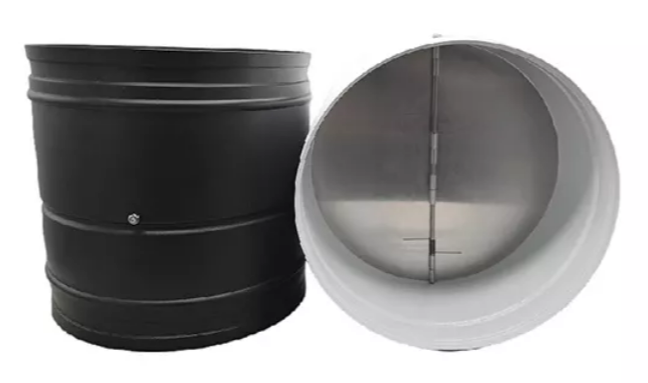
Adjusting butterfly dampers correctly can significantly boost your HVAC system's energy efficiency. When dampers are set to direct airflow only where it's needed, your system doesn't waste energy heating or cooling unused spaces. For example, closing dampers partially in seldom-used rooms reduces the load on your furnace or air conditioner, cutting energy consumption and lowering utility bills.
Proper damper adjustment also helps balance pressure within the ductwork. Balanced airflow means your HVAC system runs smoother, avoiding overworking fans or compressors. This reduces wear and tear, extending equipment lifespan. Additionally, energy savings contribute to a smaller carbon footprint, aligning with sustainability goals.
Correct damper settings improve indoor comfort by ensuring even temperature distribution throughout the building. You avoid hot or cold spots that cause discomfort and frequent thermostat adjustments. For instance, opening dampers more in rooms that tend to be colder helps maintain a steady, comfortable temperature.
Besides temperature control, dampers influence air quality. Proper airflow prevents stagnant air pockets where dust, allergens, or moisture can accumulate. This circulation reduces risks of mold growth and improves overall indoor air quality. In buildings with multiple zones, dampers allow you to tailor ventilation to each area's needs, enhancing occupant comfort and health.
Butterfly dampers, like any mechanical component, can develop issues that affect airflow and system performance. Recognizing these problems early helps maintain comfort and efficiency. Common signs of damper problems include:
● Unbalanced Airflow: Some rooms feel too hot or cold despite adjustments. This could mean dampers are stuck or improperly set.
● Damper Stuck or Hard to Move: Manual dampers that don’t turn smoothly may have debris, rust, or mechanical damage.
● Air Leakage: If you notice drafts or reduced system efficiency, worn or damaged seals might be letting air escape.
● Noise: Rattling, whistling, or banging sounds can indicate loose damper plates or misalignment.
● Actuator Failure: For automatic dampers, failure to respond to control signals or erratic movement suggests actuator or wiring problems.
● Corrosion or Physical Damage: Visible rust or dents can impair damper operation.
Regular inspection is key. Look for dirt buildup, seal wear, or mechanical wear around the damper plate and frame. Also, verify that actuators and linkages are secure and functioning.
Proper maintenance can prevent many issues and extend damper life. Here are practical tips to troubleshoot and maintain butterfly dampers:
● Clean and Lubricate: Remove dust, dirt, and debris from the damper plate and frame. Use a lubricant suitable for metal parts to ease movement.
● Check and Replace Seals: Inspect gaskets or seals for cracks or wear. Replace damaged seals to prevent air leaks.
● Tighten Loose Components: Secure any loose screws, bolts, or actuator mounts to stop rattling and ensure precise control.
● Test Actuator Operation: For automatic dampers, verify electrical connections and test actuator response. Replace faulty actuators promptly.
● Adjust Damper Position Carefully: Avoid forcing the damper plate. If it resists, inspect for obstructions or mechanical faults.
● Seasonal Adjustments: Adjust dampers according to seasonal airflow needs to avoid strain and uneven wear.
● Professional Inspection: Schedule periodic professional checks, especially for complex or large HVAC systems.
If problems persist despite basic maintenance, consider replacing the damper. Modern butterfly dampers offer improved materials and actuator technology for better reliability.
Understanding butterfly dampers involves knowing their components, types, and how they work. Key factors in choosing the right damper include size, material, and control type. Proper adjustment enhances energy efficiency, comfort, and air quality. Regular maintenance prevents common issues, ensuring optimal performance. When selecting a damper, consider METECHWORKS, which offers high-quality products and services designed to meet diverse needs. Their solutions provide reliable airflow control and durability, adding significant value to any HVAC system.
A: To adjust a butterfly damper, locate the damper in your ductwork, turn off the HVAC system, and use the manual handle or automatic actuator to rotate the damper plate to the desired position, controlling airflow effectively.
A: Proper adjustment of a butterfly damper enhances energy efficiency by directing airflow only where needed, balances indoor temperatures, and improves air quality by preventing stagnant air pockets.
A: A butterfly damper may become stuck due to debris, rust, or mechanical damage. Regular inspection and maintenance can prevent these issues, ensuring smooth operation.
A: Manual dampers require physical adjustment using a handle, while automatic dampers use actuators to adjust airflow based on signals from thermostats or sensors, offering more precise control.
A: Butterfly dampers are made from galvanized steel, stainless steel, aluminum, or coated materials, each suited to specific environments and applications for durability and resistance.


