


Views: 0 Author: Site Editor Publish Time: 2025-10-09 Origin: Site


Ever wondered how airflow in ducts is controlled? Enter the butterfly backdraft damper, a key player in HVAC and industrial systems. These devices regulate flow with precision, ensuring efficient operation. Understanding butterfly dampers is crucial for selecting the right type for your needs. In this post, you'll learn how they work, their components, and their applications.
A butterfly damper is a valve used to regulate or isolate flow in ducting systems. It features a round disc or plate mounted on a rod through its center. This disc rotates within the valve body to control flow. When fully open, the disc aligns with the duct, allowing fluid or gas to pass freely. When closed, it blocks flow completely.
Key components include:
● Disc (or Plate): The circular element that rotates to open or close flow.
● Shaft (Rod): Passes through the center of the disc, enabling rotation.
● Valve Body: The housing that holds the disc and shaft.
● Seal: Surrounds the disc edge to prevent leakage when closed.
● Actuator or Handle: Mechanism to rotate the disc, either manually or automatically.
This simple yet effective design allows precise control over flow rates. The disc’s rotation ranges from 0° (fully closed) to 90° (fully open), with intermediate positions for flow modulation.
Butterfly dampers come in various types based on design, application, and actuation method:
● Wafer Butterfly Dampers: Thin, lightweight, fit between two flanges, ideal for space-saving installations.
● Lug Butterfly Dampers: Feature threaded inserts (lugs) around the body for mounting; allow one side of the pipeline to be disconnected without disturbing the other.
● Double Flanged Butterfly Dampers: Have flanges on both sides for bolting directly to pipe flanges; suitable for high-pressure applications.
● High-Performance Butterfly Dampers: Designed for extreme conditions, with enhanced sealing and materials to handle high temperatures and pressures.
● Manual Butterfly Dampers: Operated by a hand lever or gear for simple applications.
● Automated Butterfly Dampers: Equipped with electric, pneumatic, or hydraulic actuators for remote and precise control.
Each type serves different needs, from light-duty HVAC systems to demanding industrial processes. Material selection (e.g., stainless steel, aluminum) and seal type (e.g., rubber, metal) also vary to suit specific environments and fluids.
A butterfly damper controls flow by rotating a circular disc inside a duct or pipe. This disc sits on a rod through its center and spins on a single axis. When the disc aligns parallel to the flow, the damper is fully open, allowing air or gas to pass freely. When rotated 90 degrees, the disc blocks the flow completely, acting like a door shut tight.
Between fully open and fully closed, the disc’s angle controls how much fluid passes through. This allows precise flow regulation. The disc creates a variable restriction, so the flow rate adjusts smoothly as the disc turns. This quarter-turn operation makes butterfly dampers quick and easy to operate.
The damper’s seal around the disc’s edge ensures tight shutoff when closed, minimizing leaks. Even at partial openings, the disc’s position affects pressure drop and flow velocity, which operators can use to balance systems or control airflow precisely.
The central pivot, or shaft, is key to the damper’s function. It passes through the disc’s center, allowing rotation around a fixed axis. This pivot ensures the disc turns evenly and maintains alignment inside the duct.
Because the pivot is centered, pressure from either side of the disc balances out. This balance reduces strain on the shaft and the actuator or handle that moves the disc. As a result, butterfly dampers need less force to operate than other valve types, making them energy-efficient and low maintenance.
The central pivot also helps maintain a consistent seal around the disc’s edge. When closed, the disc presses evenly against the seal, ensuring effective isolation of flow. The pivot design allows for easy access during maintenance, such as seal replacement, without removing the entire damper from the duct.
Butterfly dampers play a crucial role in many industrial settings. They control the flow of gases, air, and sometimes liquids in ductwork and piping systems. Industries such as power plants, chemical processing, steel manufacturing, and waste incineration rely heavily on these dampers. They help regulate combustion air, exhaust gases, and ventilation systems, ensuring safe and efficient operations.
In power plants, for example, butterfly dampers manage flue gas flow to control emissions and improve combustion efficiency. In chemical plants, they isolate sections of ductwork for maintenance or process changes without shutting down the entire system. Their ability to handle large volumes and operate under high temperatures makes them ideal for demanding industrial environments.
Because these dampers can be automated, they integrate well into complex control systems. This allows for remote operation and precise adjustments, improving process control and energy savings. Their compact design also means they fit into tight spaces where other valve types might not.
In heating, ventilation, and air conditioning (HVAC) systems, butterfly dampers are essential for airflow management. They regulate air distribution in commercial and residential buildings, balancing ventilation and maintaining comfort levels. By adjusting the damper’s position, HVAC technicians can control airflow to different zones, optimizing temperature and air quality.
Butterfly dampers in HVAC systems help maintain desired pressure levels inside ducts, which is important for system efficiency and noise reduction. Their quick quarter-turn operation allows rapid response to changing conditions, such as switching between heating and cooling modes.
Energy efficiency is a big benefit here. By controlling airflow precisely, butterfly dampers reduce the load on fans and compressors, lowering energy consumption and operational costs. Their durability and low maintenance requirements also make them a favorite choice for HVAC engineers.
In summary, butterfly dampers serve as versatile, reliable components in both industrial processes and HVAC systems. Their ability to regulate flow, isolate sections, and integrate with automation makes them invaluable across many applications.
Butterfly dampers are known for their compact and lightweight design. Unlike other valve types, they require minimal space because the disc rotates within the pipe or duct itself. This means no bulky external parts stick out, making them ideal for installations where space is limited. Their slim profile allows easy integration into tight ductwork or piping systems without major modifications.
This space efficiency also simplifies maintenance access and reduces the overall footprint of the system. For HVAC systems in crowded mechanical rooms or industrial setups with compact layouts, butterfly dampers provide a practical solution that doesn’t compromise performance.
Butterfly dampers enhance energy efficiency in several ways. The quarter-turn operation requires less torque to open or close compared to other valve types, reducing the power needed for actuators or manual operation. The central pivot design balances pressure forces, minimizing strain on moving parts and lowering energy consumption during operation.
Moreover, precise flow control helps optimize system performance. By adjusting the damper to exact positions, airflow or fluid flow can be regulated accurately, preventing overuse of fans, compressors, or pumps. This fine control reduces wasted energy and lowers operational costs.
In HVAC systems, efficient airflow management directly translates to reduced heating or cooling loads. Properly sized and adjusted butterfly dampers help maintain desired environmental conditions without excessive energy use.
Butterfly dampers typically feature robust construction using materials like stainless steel, aluminum, or coated carbon steel. These materials resist corrosion and wear, ensuring long service life even in harsh environments.
The simple design means fewer moving parts, which lowers the risk of mechanical failure. The central shaft and disc are easy to inspect and maintain. Seals can be replaced without removing the entire damper from the duct, minimizing downtime.
Routine maintenance usually involves lubrication of the shaft and periodic inspection of seals and actuators. Because butterfly dampers are less complex than other valve types, maintenance costs tend to be lower. Their durability and ease of upkeep make them a cost-effective choice for both industrial and HVAC applications.
Choosing the right seal type is crucial for butterfly damper performance. Seals prevent leakage when the damper is closed, ensuring tight flow isolation. The seal material must suit the specific application environment, including temperature, pressure, and the type of gas or fluid flowing through the duct.
Common seal types include:
● Rubber Seals: Flexible, provide excellent sealing for low to moderate temperatures. Ideal for HVAC systems or general industrial use.
● Silicone Seals: Handle higher temperatures than rubber, often used where heat resistance is needed.
● Metal Seals: Used in high-temperature or high-pressure environments. They offer durability and tight sealing but may require more torque to operate.
● PTFE (Teflon) Seals: Chemically resistant, suitable for corrosive gases or fluids.
Using the wrong seal can lead to leaks, increased maintenance, or premature damper failure. For example, rubber seals exposed to high heat may degrade quickly, compromising the seal and system efficiency.
Material selection impacts the damper's durability, corrosion resistance, and suitability for specific environments. The damper body, disc, shaft, and seals should all be compatible with operating conditions.
Common materials include:
● Stainless Steel: Excellent corrosion resistance, suitable for harsh industrial environments and high temperatures.
● Carbon Steel: Strong and cost-effective but may require coatings or treatments to resist corrosion.
● Aluminum: Lightweight, often used in HVAC systems where corrosion is less severe.
● Coated Metals: Coatings like epoxy or zinc provide extra protection against corrosion and wear.
Consider the media flowing through the damper. Corrosive gases or liquids demand materials resistant to chemical attack. Similarly, high-temperature applications require metals that maintain strength and shape under heat.
Selecting materials that match the application extends damper life, reduces downtime, and ensures safe operation.
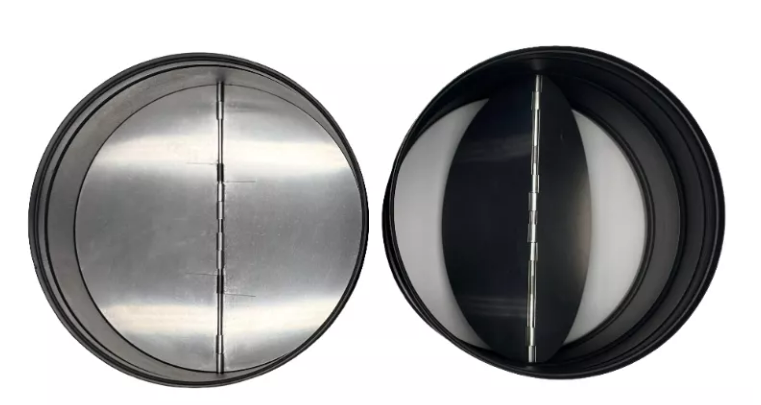
Regular inspections are essential to keep butterfly dampers operating smoothly and reliably. Start by checking the damper’s overall condition, looking for signs of wear, corrosion, or damage on the disc, shaft, and valve body. Pay close attention to the seal area, as leaks often originate there. Inspect the actuator or handle mechanism to ensure it moves freely and responds correctly.
During inspections, verify the damper’s alignment and ensure the disc rotates without obstruction. Listen for unusual noises during operation, which can indicate friction or misalignment. Check for any buildup of dust, debris, or corrosive substances inside the duct that might affect damper performance.
Routine inspections also include verifying the tightness of bolts and fasteners. Loose parts can cause vibration, misalignment, or damage. For automated dampers, test the actuator’s functionality and electrical or pneumatic connections. Regular testing helps identify potential problems early, minimizing downtime.
Seals play a critical role in butterfly dampers by preventing leaks when the damper is closed. Over time, seals can degrade due to temperature fluctuations, chemical exposure, or mechanical wear. Regularly inspect seals for cracks, hardening, or deformation.
Replacing seals promptly ensures the damper maintains proper isolation and prevents costly leakage. Most butterfly dampers allow seal replacement without removing the entire valve from the duct, simplifying maintenance. Follow manufacturer instructions for seal removal and installation to avoid damage.
Choose replacement seals compatible with the system’s operating conditions, such as temperature, pressure, and the type of gas or fluid. Using the correct seal material extends service life and maintains performance.
After seal replacement, test the damper for tight shutoff and smooth operation. Lubricate the shaft and bearings if needed to reduce friction and wear.
Butterfly dampers control flow by rotating a disc inside a duct, offering precise regulation and energy efficiency. They are compact, durable, and require minimal maintenance. Future trends may include enhanced automation and materials for extreme conditions. METECHWORKS offers high-quality butterfly dampers that provide reliable performance and energy savings, making them a valuable choice for industrial and HVAC applications.
A: A Butterfly Backdraft Damper is a type of valve used to control airflow in duct systems, preventing reverse flow and ensuring efficient operation.
A: It works by rotating a central disc to open or close airflow, using a central pivot for smooth operation and precise control.
A: It regulates airflow efficiently, saving energy and maintaining comfort levels by preventing unwanted air backflow.
A: Benefits include space-saving design, energy efficiency, durability, and low maintenance, making it ideal for various applications.


