


Views: 0 Author: Site Editor Publish Time: 2025-10-02 Origin: Site


Cooking outdoors is one of the most enjoyable aspects of camping. The scent of freshly grilled food, the sound of sizzling pans, and the shared experience of preparing meals under the open sky create lasting memories. Yet, outdoor cooking also comes with challenges—unpredictable weather, limited space, and safety risks such as fire hazards, food contamination, or encounters with wildlife.
This is where the Outdoor Cooking Box becomes a game changer. Designed to combine convenience, organization, and safety, it allows campers to prepare meals efficiently while minimizing risks. Beyond serving as a compact kitchen, it offers structured storage, a stable cooking platform, and durable protection for your food and tools.
Safety, however, should always be the first priority. By learning how to properly prepare, set up, and use an Outdoor Cooking Box, campers can avoid accidents, reduce food safety concerns, and create a smooth outdoor dining experience.
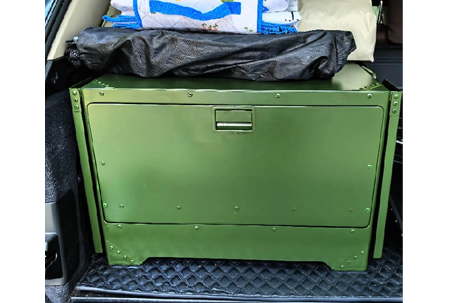
An Outdoor Cooking Box is more than just a storage container. It is a multifunctional piece of equipment designed for outdoor enthusiasts who value convenience and safety.
Foldable tabletop – Provides a sturdy workspace for cutting, mixing, or serving food.
Adjustable legs – Helps stabilize the box on uneven terrain, preventing spills or accidents.
Storage compartments and dividers – Keep utensils, cookware, and food items neatly separated.
Waterproof exterior – Protects food and equipment from rain, dew, or accidental spills.
Most Outdoor Cooking Boxes are made of aluminum alloy or stainless steel, both lightweight yet strong. These materials are fire-resistant, rust-proof, and weatherproof, ensuring long-term use in rugged outdoor conditions. Some models include reinforced corners and lockable latches for added security.
Outdoor Cooking Boxes are often available in capacities like 50L, 65L, and 85L. A smaller box works well for solo travelers or couples, while larger models suit family camping or group trips. The modular design ensures flexibility for different outdoor cooking needs.
In essence, the Outdoor Cooking Box is a portable kitchen solution—combining food prep, storage, and organization into one reliable unit.
Safety in outdoor cooking begins long before you strike a match or turn on the stove. Proper preparation sets the foundation for a smooth, enjoyable, and risk-free cooking experience. By taking the right steps early, you not only protect yourself but also ensure your food is prepared under hygienic and safe conditions.
The first step is selecting where to set up your Outdoor Cooking Box. Position it at least 10–15 feet away from tents, overhanging branches, dry grass, and other flammable materials. Never attempt to cook inside enclosed spaces such as tents, cars, or cabins. Doing so can cause dangerous carbon monoxide buildup and drastically increase the risk of fire. Open, well-ventilated areas are the safest option.
An unstable cooking surface can lead to spills, burns, and even tip-overs. To avoid this, adjust the legs of your Outdoor Cooking Box to keep it level. If you’re camping on sandy or uneven terrain, place a flat stone or sturdy wooden board underneath the legs for extra support. This added stability ensures that pots, pans, and stoves remain secure throughout your cooking session.
Cooking generates heat, smoke, and potentially harmful fumes. Always choose a site with good airflow so that gases can disperse naturally. Avoid setting up in narrow valleys or completely shielded areas where smoke might accumulate. Ventilation is not only about comfort but also about protecting your respiratory health.
Food safety begins with smart organization. Separate raw meats from cooked or ready-to-eat items to prevent cross-contamination. Store ingredients in sealed containers, vacuum bags, or use dividers inside your Outdoor Cooking Box. Label each container clearly to reduce mistakes during meal prep. A well-organized setup makes the cooking process smoother and safer.
Once your Outdoor Cooking Box is securely in place, focus on how you cook. Following best practices during meal preparation significantly lowers the chance of accidents and foodborne illness.
Always set your stove on a flat, stable surface. Keep extra fuel canisters far away from open flames and hot pans to avoid explosions. It’s also wise to carry a compact fire extinguisher, a fire blanket, or at least a bucket of water within reach. These precautions can make the difference between a small flare-up and a serious fire.
Cooking in the wild does not mean compromising food safety. Undercooked meats can cause serious illness. Use a portable food thermometer to ensure safe internal temperatures—for example, chicken should reach at least 75°C (165°F), while ground beef should be at least 70°C (160°F). Controlled cooking not only keeps you safe but also enhances the taste and quality of your meals.
Sharp tools such as knives, scissors, or skewers should always be stored in designated compartments of the Outdoor Cooking Box. Avoid leaving them loose on the tabletop where they could fall or cause accidental injuries. When passing knives to others, do so carefully, and consider using blade covers for added safety.
Boiling water, sizzling pans, and hot oils are common in outdoor cooking. Use heat-resistant gloves or pot holders to protect your hands. Position pot handles inward, so they don’t stick out where someone might bump into them. This simple habit significantly reduces the chance of burns and accidental spills.
By maintaining discipline in these areas, campers can safely enjoy hearty meals under the open sky.
Good hygiene is just as important as preventing fire accidents. Outdoor environments expose food to bacteria, dust, insects, and even curious wildlife. Proper food storage and cleanliness are critical for health and comfort.
Take full advantage of the compartments in your Outdoor Cooking Box. A practical approach might be:
Top layer for snacks, napkins, and utensils used frequently.
Side compartments for condiments, sauces, or seasoning packets.
Main storage section for cookware, sealed meal packs, and larger containers.
This structured organization saves time and prevents unnecessary mess.
Meat, dairy, and other perishable foods should always be kept below 5°C (41°F). Bring along ice packs, insulated bags, or a portable cooler. If camping for several days, replenish ice whenever possible. Separating perishable items from dry goods helps maintain freshness and avoids contamination.
Once the meal is over, don’t delay cleaning. Food scraps left out will attract ants, flies, or even larger animals. Wash trays, utensils, and cooking surfaces immediately with warm water if available. Dry everything thoroughly before storing it back in the box to prevent mold and mildew.
Carry biodegradable soap, a sponge, and a small towel for daily cleaning. This eco-friendly approach ensures your cooking equipment remains safe to use without harming the natural environment. Regular cleaning also extends the life of your Outdoor Cooking Box, keeping it in top condition for future trips.
Cooking outdoors often involves teamwork, but group settings can create congestion around the cooking area. Extra care is needed to maintain safety for everyone.
Designate one person as the primary cook while others handle preparation, serving, or cleaning. This avoids too many hands crowding around the stove and reduces the chance of accidents.
The area around the Outdoor Cooking Box should remain free of backpacks, chairs, or gear. Clear walkways prevent people from tripping and bumping into hot equipment.
Children and pets are naturally curious, but the cooking zone is not a place for exploration. Establish a “no-entry zone” around the box and stove. This simple rule protects them from hot pots, knives, and other dangers.
When these practices are followed, group cooking becomes not only safe but also an enjoyable bonding experience. Sharing food around a campfire or picnic table is one of the highlights of camping—safety ensures those moments remain positive and memorable.
Pack emergency gear: Bring a fire blanket, first aid kit, and extra batteries for flashlights.
Reduce waste: Choose reusable utensils and plates instead of disposable plastic. This not only helps the environment but also reduces clutter.
Extinguish all flames: After cooking, ensure the stove is turned off and all embers or flames are fully extinguished to prevent wildfires.
Check weather conditions: Avoid cooking during high winds or heavy rain. If necessary, set up a portable windscreen around your stove.
These small but effective measures can dramatically improve safety during your camping trip.
Q1: Can I use an Outdoor Cooking Box with any type of stove?
A: It’s best to use small portable gas stoves or butane burners. Avoid placing open flames directly on or inside the box, as this can damage the material.
Q2: How do I keep food fresh during a camping trip?
A: Use coolers, insulated bags, and ice packs. Keep perishable items sealed in waterproof bags, and cook them early in the trip.
Q3: Is it safe to leave food in the Outdoor Cooking Box overnight?
A: Not recommended, especially in wildlife areas. Store food in bear-proof containers or hang it from a tree away from your campsite.
Q4: What materials make an Outdoor Cooking Box safest for cooking?
A: Aluminum and stainless steel are the safest choices. They are lightweight, resistant to heat, and easy to clean, making them ideal for camping.
Cooking outdoors should always be a joyful experience rather than a risky one. With the right equipment—such as a well-designed Outdoor Cooking Box—campers can achieve a safer, cleaner, and more organized cooking setup. From choosing the proper location and managing food storage to maintaining hygiene and preventing fire hazards, every precaution ensures that meals are both delicious and worry-free.
For those who want to enhance their camping and outdoor cooking experience, investing in a high-quality Outdoor Cooking Box is a smart decision. Reliable equipment not only improves convenience but also provides peace of mind during every adventure. To explore durable, practical, and safety-focused solutions, consider reaching out to Ningbo Atechsafe Electrical Technology Co., Ltd.. Their expertise in outdoor products makes them an excellent partner for anyone looking to upgrade their camping gear and enjoy outdoor life with confidence.


