


Views: 0 Author: Site Editor Publish Time: 2026-02-06 Origin: Site


Camping is a wonderful way to get away from the hustle and bustle of daily life, offering an opportunity to reconnect with nature and unwind. However, one of the challenges of camping, especially when it involves preparing meals, is ensuring that cooking is efficient, safe, and enjoyable. To make outdoor cooking as easy and fun as possible, you need the right setup, and that’s where a camping kitchen box comes in.
A camping kitchen box is an essential piece of equipment for anyone who loves cooking in the great outdoors. It serves as a portable storage solution for all your cooking gear, from utensils and tools to food ingredients and cleaning supplies. When properly organized, a kitchen box can enhance the cooking experience, making it more convenient and efficient. In this article, we’ll guide you through how to create the ultimate camping kitchen box setup that will make your outdoor cooking a breeze.
A well-thought-out camping kitchen box is a game-changer for any outdoor enthusiast. Here's why:
Organization and Accessibility: A dedicated kitchen box ensures that all your cooking tools and ingredients are kept in one place. This saves time and frustration, as you won't need to search through bags or coolers to find the right equipment.
Protection of Equipment: Outdoor cooking involves exposure to weather elements, dirt, and rough handling. A camping kitchen box provides protection for your utensils and cooking supplies, preventing damage or contamination.
Space Efficiency: When you're out camping, space is usually limited. A compact, organized kitchen box helps you make the most of your available space, keeping everything neat and tidy.
The first step to building a functional camping kitchen box is selecting the right size and capacity. A well-sized box ensures that you can fit all of your essential cooking tools while maintaining easy access to everything. For solo campers or small groups, a medium-sized box should be sufficient, whereas larger groups will need more storage space to accommodate the necessary cookware and food supplies.
When choosing the size, consider:
Group size: A larger group will require more space for cooking tools, food storage, and cooking gear.
Types of meals: If you're planning to cook larger meals or meals that require multiple tools and equipment, you'll need a box with more compartments to separate ingredients and cookware.
Durability is essential in an outdoor environment. Your kitchen box should withstand the rugged conditions typically encountered while camping, including exposure to the elements and rough handling. High-density polyethylene (HDPE) or impact-resistant plastic are two great materials for the box, as they provide both durability and weather resistance. These materials are also lightweight, making them easy to transport.
Consider boxes with reinforced corners and sturdy clasps to prevent damage during travel and use. Additionally, ensuring the box is waterproof will help keep your gear safe from rain or moisture exposure.
Since you'll need to transport your kitchen box to and from the campsite, portability is key. Look for a box that is easy to carry. Some boxes come with comfortable, ergonomic handles, while others feature wheels for easier movement, especially in large campsites or when navigating rough terrain.
Portability is also about weight. A lighter box means you can carry it without straining, even when it’s filled with cooking essentials.
Now that you have the right box, it's time to fill it with the essential items that will make your cooking experience both efficient and enjoyable. The key to an effective camping kitchen is organization. By categorizing items and using containers or dividers, you ensure that everything has a dedicated spot, making it easier to access your tools when you need them.
Portable Stove or Grill: Depending on your preference, bring along a small, portable stove or camping grill. Portable stoves are compact and fuel-efficient, making them ideal for cooking at the campsite. Consider stoves that can be fueled by gas or propane, as they provide consistent heat for cooking.
Pots and Pans: Opt for lightweight, nesting cookware that takes up less space but is still durable enough for outdoor use. Non-stick pots and pans are ideal for easy cleanup, while cast-iron skillets offer great heat retention for grilling or frying.
Utensils: Pack essential utensils like spatulas, tongs, cooking spoons, and a can opener. A sharp knife for food preparation is also crucial. Look for a multi-purpose tool that includes various functions to save space.
Cutting Board: A compact, foldable cutting board is essential for preparing fruits, vegetables, and meats. Opt for one made of durable, easy-to-clean material like bamboo or plastic.
Measuring Cups and Spoons: These are essential for accurate cooking. Look for collapsible versions to save space without sacrificing functionality.
Containers: Airtight containers are a must for storing dry ingredients like grains, pasta, spices, and sugar. These will help prevent exposure to moisture and pests. You can also use zip-lock bags for smaller items or single-serving ingredients.
Cooler or Insulated Bags: A cooler or insulated bag is crucial for storing perishables such as meat, dairy products, and fresh produce. Choose one with ample capacity and enough insulation to keep food cool for extended periods.
Trash Bags and Disposal Bags: Maintaining cleanliness at the campsite is essential. Bring along trash bags for waste disposal and compost bags for organic material. Proper waste management helps reduce environmental impact and keeps the campsite clean.
Dish Soap: Bring a small bottle of biodegradable dish soap. It’s eco-friendly and effective for washing utensils and cookware without polluting the environment.
Scrub Brush or Sponge: You’ll need a durable scrub brush or sponge to clean pots, pans, and other cookware. Opt for one with a handle to make cleaning easier, especially for items with hard-to-reach spots.
Towels: Absorbent towels are vital for drying dishes and wiping down surfaces. Bring along a few, preferably made from microfiber, as they dry quickly and are lightweight.
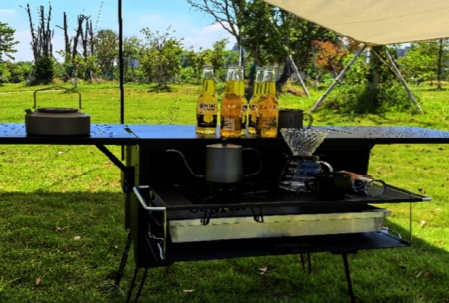
While the essentials are important, adding a few extra conveniences can enhance your camping kitchen experience.
A small, collapsible sink or basin allows you to wash your hands and clean dishes without wasting water. It also keeps water contained, preventing spills on the ground.
A lantern or headlamp can be invaluable for cooking at night. It provides the illumination needed for meal prep and adds a cozy ambiance to your campsite.
Compact, multi-purpose items like a Swiss army knife or a camping tool can come in handy for many different tasks. These tools often have built-in features like bottle openers, scissors, or screwdrivers.
Safety and cleanliness are paramount when preparing meals outdoors. Here are some tips for maintaining a clean and safe cooking environment:
Proper Food Storage: Always store raw meats separately from other food items to avoid contamination. Use separate cutting boards for meats and vegetables.
Fire Safety: If using a stove or grill, ensure that it is set up away from any flammable materials and that you have a fire extinguisher or water nearby in case of emergencies.
Hygiene: Always wash your hands before handling food and use clean utensils to avoid foodborne illnesses.
Feature | Benefit |
Portable Sink/Basin | Allows washing hands and cleaning dishes without wasting water, preventing spills. |
Portable Lighting | Essential for cooking at night and creating a cozy ambiance. |
Multipurpose Items | Compact tools with multiple functions like bottle openers, scissors, and screwdrivers for various tasks. |
Creating the ultimate camping kitchen box setup is an essential part of preparing for a successful outdoor adventure. With the right tools, organization, and safety precautions, you can enjoy delicious, home-cooked meals even while surrounded by nature. From portable stoves to easy-to-clean cookware, a well-stocked kitchen box ensures that cooking outdoors is simple, enjoyable, and efficient.
By taking the time to choose the right equipment and packing your box properly, you’ll be ready to tackle any meal, no matter the conditions. If you're looking for high-quality and reliable camping kitchen products, consider exploring the offerings from Ningbo Atechsafe Electrical Technology Co., Ltd., known for their durable and practical solutions designed for outdoor cooking.
1. What size camping kitchen box do I need for my trip?
It depends on the number of people you’re camping with and the type of meals you plan to cook. A small box is perfect for a solo traveler, while a larger box is ideal for families.
2. Can I use a regular stove for camping?
Yes, but make sure it is portable and designed for outdoor use. Portable stoves are compact, lightweight, and ideal for camping setups.
3. How do I keep my food fresh during camping?
Use a cooler with ice packs for perishable items and airtight containers to store dry ingredients. Insulated bags can also keep food fresh for longer.
4. Is it safe to cook at night during camping?
Yes, but ensure you have adequate lighting, such as a lantern or headlamp, and maintain fire safety measures to avoid accidents.


