


Views: 0 Author: Site Editor Publish Time: 2025-10-16 Origin: Site


Butterfly backdraft dampers are critical components in HVAC systems, ventilation ducts, and industrial exhaust setups. They prevent reverse airflow, maintain air quality, and protect equipment from damage caused by backflow. However, like any mechanical device, their efficiency and longevity depend heavily on proper maintenance. By following the right maintenance strategies, facility managers and technicians can ensure that butterfly backdraft dampers operate reliably for years while reducing energy costs and preventing system failures.
Before diving into practical tips, it’s essential to understand why maintenance is necessary for butterfly backdraft dampers:
Preventing System Malfunctions: A stuck or poorly functioning damper can cause backflow, which may damage HVAC components or contaminate clean air spaces.
Enhancing Energy Efficiency: Smooth operation ensures minimal air leakage, reducing unnecessary energy consumption from fans and blowers.
Extending Service Life: Regular maintenance addresses wear and tear early, preventing costly replacements and reducing downtime.
Safety Assurance: In industrial settings, faulty dampers can compromise air quality or lead to pressure hazards.
Regular inspection is the cornerstone of butterfly backdraft damper maintenance. By establishing a consistent inspection routine, facility managers can detect early signs of wear, corrosion, or mechanical misalignment before they escalate into costly system failures. Inspections not only extend the damper’s lifespan but also maintain system efficiency and indoor air quality.
Visual inspections should be performed frequently, ideally on a monthly or quarterly basis depending on system usage and environmental conditions. Key points to check include:
Physical Damage and Rust: Examine the damper blades, frame, and surrounding duct sections for any signs of dents, cracks, corrosion, or rust buildup. Rust can weaken metal components, causing warping or operational difficulties.
Debris Buildup: Dust, dirt, and industrial residues can accumulate on blades or in hinge areas, impeding movement. Debris buildup can also reduce sealing effectiveness, allowing unwanted backflow.
Structural Integrity: Check hinges, mounting brackets, and connection points for looseness or wear. Even small misalignments can create uneven airflow or premature wear on moving parts.
Blade Alignment: Ensure that all blades are properly aligned and seated within the frame. Misaligned blades can reduce sealing efficiency and cause excessive vibration or noise during operation.
Visual inspections provide a quick snapshot of the damper’s health and help prioritize further maintenance actions such as cleaning or lubrication.
Beyond visual checks, functional testing confirms that the damper operates smoothly and responds accurately:
Manual Operation: Open and close the damper by hand to check for smooth pivoting. Resistance or uneven movement may indicate corrosion, debris, or worn bearings.
Actuator Function: For dampers equipped with electrical or pneumatic actuators, test the system under normal operating conditions. Ensure the actuator responds quickly and positions the damper blades correctly.
Noise Assessment: Listen for squeaks, rattles, or grinding noises, which may indicate misalignment, loose mounting bolts, or worn mechanical parts.
Full Closure Verification: Confirm that the damper blades fully close without gaps to prevent backflow and maintain proper air pressure in the system.
Regular functional testing ensures reliable performance, reduces energy losses from improper airflow, and identifies small issues before they lead to major repairs.
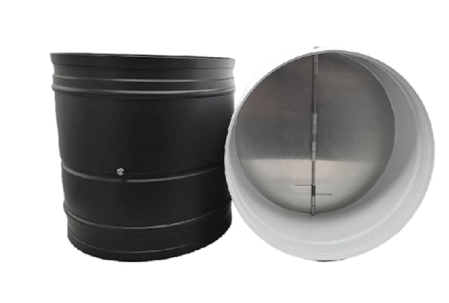
Cleanliness is critical for the long-term efficiency of butterfly backdraft dampers. Dust, dirt, grease, and environmental contaminants can hinder movement, increase wear, and compromise airflow control.
Cleaning should be part of every maintenance cycle, with more frequent attention in dusty or industrial environments:
Blade and Frame Cleaning: Remove dust, dirt, or residue from the damper blades, frame, and hinge areas using a soft brush, cloth, or compressed air.
Hard-to-Reach Areas: Pay special attention to pivot points, actuators, and hinges where debris can accumulate unnoticed. Small particles can cause uneven movement or corrosion over time.
Industrial Residue Removal: For facilities handling grease, oils, or chemical vapors, periodic washing with mild, non-corrosive detergents helps prevent buildup that can obstruct blade movement. Rinse thoroughly to avoid leaving chemical residues that could damage the damper materials.
Drying After Cleaning: Ensure all components are dry before operation to prevent corrosion, especially for metal blades or frames.
Proactive measures can reduce the frequency and intensity of cleaning, improving damper longevity:
Upstream Filtration: Install filters or mesh screens upstream of the damper to capture dust, pollen, or particulate matter before it reaches the blades.
Outdoor Vent Protection: In outdoor installations, protective screens prevent leaves, twigs, and other debris from entering ventilation ducts.
Routine Environmental Checks: Monitor ductwork for potential sources of dirt or contaminants, such as nearby construction, industrial emissions, or HVAC coil deposits. Adjust cleaning schedules accordingly.
Sealing and Gaskets: Ensure seals around the damper are intact to prevent debris ingress, which can interfere with smooth operation.
By combining regular cleaning with preventive measures, dampers remain efficient, reducing system energy losses and minimizing the risk of mechanical failure. Consistent attention to debris management not only prolongs damper life but also maintains airflow quality and reliability.
Seals and gaskets are essential components of butterfly backdraft dampers, playing a pivotal role in preventing backflow, maintaining proper airflow, and ensuring overall system efficiency. Neglecting these elements can lead to energy losses, unwanted air leakage, and even damage to HVAC equipment.
Visual Inspection: Regularly examine seals for signs of wear such as cracks, brittleness, or deformation. Rubber and silicone seals can harden over time due to heat, chemical exposure, or UV radiation, compromising their ability to form an airtight seal.
Gasket Integrity: Damaged or compressed gaskets reduce sealing effectiveness. Replace any gaskets that show signs of wear, tearing, or flattening to maintain proper performance. Ensure replacement gaskets are compatible with the damper material and operating environment.
Alignment and Installation: Proper alignment of seals during installation or maintenance is crucial. Misaligned seals may create gaps, leading to backflow or vibration-related wear. Use manufacturer guidelines for fitting seals, and verify uniform contact along the blade edges.
Lubrication Considerations: Some seals benefit from light lubrication to maintain flexibility and reduce friction. Always follow manufacturer recommendations to avoid chemical incompatibility that could degrade the seal material.
Regular attention to seals and gaskets ensures optimal damper operation, reduces energy loss, and prevents early mechanical failures.
Butterfly backdraft dampers are often installed in environments prone to humidity, chemical exposure, or salt-laden air, all of which can accelerate corrosion. Corrosion not only weakens the structure but can also interfere with blade movement, leading to uneven operation or complete failure.
Material Selection: Opt for corrosion-resistant materials such as stainless steel, anodized aluminum, or coated alloys whenever possible. These materials naturally withstand environmental stressors and extend service life.
Surface Treatments: Applying anti-corrosion sprays, paints, or coatings to exposed components adds an extra layer of protection, particularly for dampers in industrial or coastal areas. Reapply coatings periodically to maintain effectiveness.
Humidity and Moisture Control: Minimize prolonged exposure to extreme humidity or standing water. For outdoor installations, ensure proper drainage and sheltering.
Chemical Protection: Avoid direct contact with corrosive chemicals, acids, or cleaning agents that may degrade metal or painted surfaces.
Ventilation: Adequate airflow around the damper reduces moisture accumulation, limiting rust formation and preserving smooth blade operation.
By integrating corrosion prevention measures into routine maintenance, dampers maintain optimal performance, reduce downtime, and achieve a longer operational lifespan.
A misaligned damper can lead to uneven airflow, increased energy consumption, and premature wear.
Ensure the damper is correctly mounted within the duct, with no obstructions.
Check that the blades pivot evenly and close completely without resistance.
Adjust the alignment if the damper drifts or tilts during operation.
Vibration can be both a symptom and a cause of damper issues. Monitoring noise and vibration helps detect problems before they escalate.
Listen for rattling, banging, or whistling sounds.
Inspect for loose mounting bolts, misaligned duct sections, or worn bearings.
Use vibration sensors in large industrial installations to track anomalies over time.
Preventive maintenance is key to extending the damper’s lifespan and avoiding costly repairs. A typical schedule might include:
Monthly: Visual inspection of blades, seals, and hinges; check for debris.
Quarterly: Lubricate moving parts; test actuator functionality; inspect for corrosion.
Biannually: Deep cleaning of blades and frame; inspect duct alignment; replace worn gaskets.
Annually: Full system inspection, including vibration analysis and performance testing.
Following this schedule ensures that small issues are addressed before they develop into major problems.
Butterfly backdraft dampers are essential for maintaining airflow control, energy efficiency, and system safety. Their longevity and optimal performance are directly tied to consistent maintenance practices. By implementing routine inspections, lubrication, cleaning, seal checks, corrosion prevention, alignment verification, and vibration monitoring, facility managers can extend the service life of these critical components while avoiding costly downtime.
Investing in proper maintenance not only protects your HVAC or industrial ventilation systems but also ensures consistent airflow performance and energy savings over the long term.
For more information on high-quality butterfly backdraft dampers and expert maintenance advice, you can visit Ningbo Atechsafe Electrical Technology Co., Ltd., a trusted provider of industrial airflow solutions. Their team can help you select the right damper for your system and provide guidance on maintenance and longevity best practices.


