


Views: 0 Author: Site Editor Publish Time: 2025-10-09 Origin: Site


Ever wondered how to ensure optimal airflow in your HVAC system? Choosing the right damper is crucial for efficiency and safety. A butterfly backdraft damper is a key component in preventing reverse airflow. In this post, you'll learn about different damper types, their applications, and how to pick the best one for your needs.
A butterfly backdraft damper is a specialized device designed to allow airflow in one direction while preventing reverse airflow. It operates using a circular disc, or "butterfly," mounted on a central shaft inside a duct or pipe. When air flows forward, the disc rotates open, permitting air passage. If airflow reverses, the disc swings back into a closed position, effectively blocking backdrafts.
This simple yet effective mechanism helps maintain proper ventilation and protects HVAC systems from damage caused by unwanted reverse airflow. The design ensures minimal resistance when open, optimizing airflow efficiency.
● One-Way Airflow Control: Ensures air moves in the intended direction, preventing backflow that can disrupt system performance.
● Low Pressure Drop: The butterfly disc, when open, offers minimal obstruction, maintaining efficient airflow and reducing energy consumption.
● Compact and Lightweight: Its simple design allows for easy installation even in tight spaces without adding significant weight.
● Durability: Often constructed from corrosion-resistant materials like stainless steel or aluminum, suitable for various environmental conditions.
● Maintenance Friendly: Fewer moving parts lead to reduced wear and easier upkeep compared to more complex dampers.
● Cost-Effective: Combines functionality and simplicity, offering an economical solution for controlling airflow direction.
By integrating butterfly backdraft dampers, HVAC systems can improve air quality, reduce energy costs, and extend equipment lifespan.
When choosing a damper, understanding the different types and their specific uses is key. The three main damper types are rotary, axial, and linear. Each offers distinct motion and suits particular applications.
Rotary dampers control motion through rotational movement around a fixed axis. They use a pivoting mechanism to slow or stop rotation smoothly. These dampers are common in HVAC systems, machinery covers, and automotive components.
Use Cases:
● Controlling airflow in circular ducts
● Regulating rotating machine parts
● Smoothly closing hinged doors or lids
Rotary dampers provide precise control and are compact, making them ideal for confined spaces needing rotational damping.
Axial dampers resist motion along a straight line, usually by compressing or extending. They often resemble shock absorbers and are designed to absorb energy from linear movements.
Use Cases:
● Cushioning impacts in conveyor systems
● Reducing vibrations in machinery
● Controlling linear slides or actuators
These dampers handle heavy loads and varying speeds, ensuring smooth, controlled linear motion.
Linear dampers also manage straight-line movements but focus on providing resistance over a stroke length, often through fluid or elastomeric materials. They are used when consistent damping force is needed throughout the motion.
Use Cases:
● Damping sliding doors or drawers
● Absorbing shocks in packaging machines
● Controlling linear robotic arms
They excel in applications requiring steady deceleration and minimal rebound.
Selecting the right damper depends on the motion type and application specifics:
● Rotary dampers suit rotational needs with precise control and compact design.
● Axial dampers are best for heavy-duty linear impacts and vibrations.
● Linear dampers provide consistent resistance in sliding or linear motions.
Consider the load, speed, and environmental conditions to match the damper type to your system’s demands.
In an HVAC system, a rotary damper might regulate airflow through round ducts, while a linear damper could control sliding access panels. Axial dampers might be used in conveyor lines to absorb shocks from heavy items.
Choosing the right damper goes beyond just picking a type. Several key factors must align with your specific needs to ensure optimal performance, durability, and ease of use. Here’s what you should focus on:
First, understand the kind of motion your damper must control. Is it rotational, linear, or axial? Rotary dampers handle pivoting or turning motions, axial dampers manage straight-line forces like compression or extension, and linear dampers provide resistance over a sliding stroke. Matching the damper’s motion type to your application’s movement ensures smooth operation and effective damping.
Next, determine the load or force the damper will face. This includes torque for rotary dampers or force for linear and axial types. Overloading a damper can cause premature failure, while undersizing leads to insufficient control. Accurate load assessment helps pick a damper that withstands operational stresses without compromising lifespan.
Space constraints often influence damper selection. Measure the available installation area, including duct or mounting dimensions. The damper must fit without obstructing airflow or mechanical parts. Also, consider the damper’s form factor—whether it should be compact, lightweight, or have a specific shape to integrate seamlessly.
Consider the environment where the damper operates. High humidity, corrosive atmospheres, extreme temperatures, or exposure to dust and debris affect material choice and design. For example, stainless steel dampers resist corrosion in harsh settings, while sealed or protected dampers prevent contamination. Selecting suitable materials prolongs damper life and reduces maintenance.
The damper must match the speed of the motion it controls. Fast-moving components require dampers with appropriate resistance to avoid shocks or vibrations. Some dampers offer adjustable damping force for variable speeds. Ensuring the damper’s speed rating aligns with your system prevents damage and maintains smooth performance.
Finally, evaluate installation requirements. Choose dampers that fit your mounting setup and require minimal modification. Some dampers come with versatile mounting options, making them easier to install in tight or complex spaces. Also, consider whether the damper needs specific orientations or accessories for proper function.
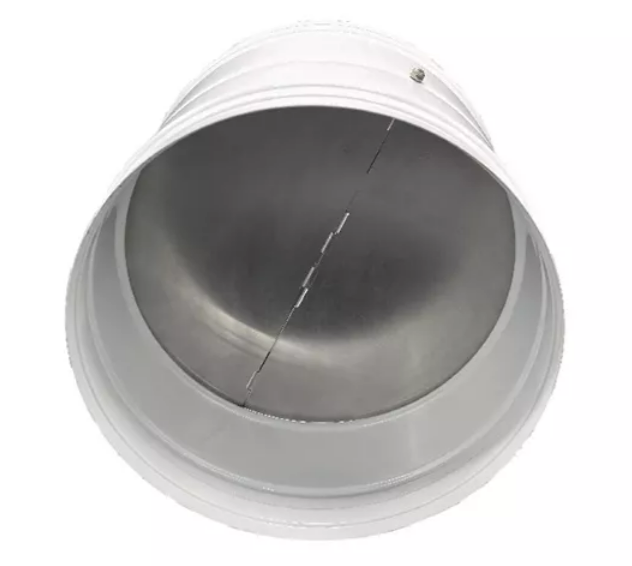
Butterfly backdraft dampers play a crucial role in maintaining efficient and safe HVAC system operation. Their primary functions include regulating airflow, balancing air pressure, and preventing backdrafts, which can cause system inefficiencies or damage.
These dampers ensure air moves through ducts in a controlled manner. When air flows in the intended direction, the butterfly disc opens smoothly, allowing proper ventilation. This regulation helps maintain consistent airflow rates, which is essential for heating, cooling, and ventilation performance. By opening and closing responsively, the damper prevents unnecessary air leakage, improving energy efficiency.
In complex HVAC systems, pressure differences between various zones or duct sections can create uneven airflow or noise. Butterfly backdraft dampers help balance these pressures by allowing air to pass only when pressure conditions are favorable. This balance reduces strain on fans and blowers, extending their lifespan and lowering energy consumption. Proper pressure management also prevents drafts and maintains occupant comfort.
One of the most important functions of butterfly backdraft dampers is stopping reverse airflow, or backdrafts. Backdrafts can introduce contaminants, disrupt airflow patterns, and cause equipment damage. The damper’s disc automatically swings closed when air tries to flow backward, sealing off the duct. This action protects HVAC components like fans, filters, and heating elements from damage and prevents the infiltration of unwanted air, odors, or pollutants.
Installing a butterfly backdraft damper correctly is essential for optimal performance. Begin by verifying the damper size matches the duct dimensions. The damper should fit snugly without forcing or gaps that could cause air leaks.
Mount the damper in the duct so the butterfly disc can swing freely. Usually, the shaft aligns horizontally or vertically, depending on airflow direction and space. Ensure the damper's orientation corresponds to the airflow direction marked on the unit.
Secure the damper frame firmly using bolts or screws. Avoid overtightening, which might warp the frame or restrict disc movement. For duct systems exposed to vibration, consider using vibration isolators or flexible connectors to prevent damage.
If the damper includes an actuator or counterweight, install these components according to manufacturer instructions. Proper linkage and calibration ensure smooth opening and closing actions.
After installation, test the damper by pushing air through the duct. The disc should open fully with forward airflow and close tightly against reverse airflow. Any sticking or incomplete closure indicates adjustment needs.
Disc Sticking or Jamming:Often caused by debris, corrosion, or misalignment. Regularly inspect and clean the damper interior. Use corrosion-resistant materials or coatings in harsh environments to minimize buildup. Adjust the shaft and bearings for smooth rotation.
Air Leakage:Leaks reduce system efficiency and can cause backdrafts. Ensure tight seals around the damper frame. Replace worn gaskets or add weather stripping if needed. Confirm the disc closes flush against the frame.
Noise and Vibration:Improper installation or loose parts may cause rattling. Tighten mounting hardware and add vibration dampeners. Check that the damper disc moves freely without hitting duct walls.
Incorrect Orientation:Installing the damper backward will prevent proper operation. Verify airflow direction and damper markings before mounting.
Routine maintenance extends damper life and system performance. Schedule inspections at least annually, or more often in dusty or corrosive environments.
● Clean the Damper: Remove dust, dirt, and debris from the disc and frame to prevent sticking. Use a soft brush or compressed air.
● Lubricate Moving Parts: Apply lubricant to the shaft bearings and pivot points to reduce friction and wear.
● Check for Damage: Look for corrosion, cracks, or warping. Replace damaged parts promptly.
● Inspect Seals: Ensure gaskets or seals remain intact and effective.
● Test Operation: Manually or with system airflow, confirm the damper opens and closes fully without resistance.
Proper care prevents costly repairs and downtime. Keep maintenance records to track damper condition and identify trends.
When selecting a damper, understanding the available advanced features and options can enhance performance and tailor the solution to your specific needs. These options include accessories, actuator types, and customization possibilities that improve control, ease of use, and integration.
Accessories add functionality and convenience to dampers. Common options include:
● Jackshafts: Synchronize multiple damper blades, ensuring they open and close simultaneously for balanced airflow control.
● Counterweights: Assist or resist damper movement, helping maintain position or reduce actuator load, especially in backdraft dampers.
● Transition Collars: Allow installation of square or rectangular dampers into round ductwork, simplifying retrofits or system upgrades.
● Vibration Isolators: Reduce noise and mechanical stress caused by duct vibrations, protecting damper components.
● Seals and Gaskets: Improve airtightness, reducing air leakage and enhancing system efficiency.
Choosing the right accessories depends on your system's design and operational requirements.
Actuators automate damper operation, providing precise control over airflow. The main types are:
● Electric Actuators: Offer accurate positioning and easy integration with building automation systems. They require electrical power and professional wiring but enable remote control and feedback.
● Pneumatic Actuators: Use compressed air to drive damper movement. They are cost-effective and fast-acting but need a reliable air supply and maintenance of pneumatic lines.
● Manual Actuators: Include handles or levers for direct human operation. Ideal for low-frequency adjustments or locations without power access.
Selecting an actuator depends on control needs, power availability, and budget.
Manufacturers often provide customization to meet unique application demands, such as:
● Material Choices: Stainless steel, aluminum, or galvanized steel options accommodate different environmental conditions, including corrosive or high-temperature settings.
● Size and Shape Modifications: Custom dimensions and frame designs ensure fit in unusual duct layouts or tight spaces.
● Special Coatings: Protective finishes enhance durability against moisture, chemicals, or abrasion.
● Integrated Sensors: Position or airflow sensors enable real-time monitoring and automated adjustments.
● Adjustable Damping: Some dampers feature adjustable resistance to fine-tune airflow control or response speed.
Customization ensures the damper performs reliably and efficiently in your specific installation.
Butterfly backdraft dampers, such as those offered by METECHWORKS, are essential for efficient HVAC systems. They regulate airflow, balance air pressure, and prevent backdrafts. Choosing the right damper involves understanding motion types, load requirements, and environmental conditions. Advanced features like actuators and customization options enhance performance. Selecting the appropriate damper ensures system reliability and longevity. METECHWORKS provides durable, efficient solutions tailored to your needs, improving air quality and reducing energy costs.
A: A Butterfly Backdraft Damper is a device that allows airflow in one direction while preventing reverse airflow, using a circular disc mechanism.
A: It regulates airflow, balances air pressure, and prevents backdrafts, improving energy efficiency and protecting system components.
A: It offers low pressure drop, compact design, and durability, making it a cost-effective solution for directional airflow control.
A: Issues include disc sticking, air leakage, and noise, often resolved with regular maintenance and proper installation.


