


Views: 0 Author: Site Editor Publish Time: 2025-11-14 Origin: Site


Have you ever considered how crucial floor drains are in maintaining hygiene and safety? Stainless steel floor drains are essential components in various industries, offering unmatched durability and versatility. In this post, you'll learn about their importance, applications, and why they are the preferred choice across residential, commercial, and industrial settings.
Stainless steel floor drains are renowned for their exceptional durability. Their corrosion resistance is a key feature that ensures they last for decades, even in challenging environments. Unlike materials such as cast iron or PVC, stainless steel resists rust and deterioration caused by water, chemicals, and humidity. This resistance is primarily due to the high chromium content in stainless steel, which forms a protective oxide layer on the surface, preventing corrosion and extending the lifespan of the drain.
In addition to resisting corrosion, stainless steel drains can handle heavy loads without bending or breaking. They are designed to withstand foot traffic, machinery, and equipment rolling over them. This strength makes them suitable for industrial settings, commercial kitchens, and outdoor applications where heavy weight and constant use are common.
Harsh environments, such as coastal areas with salty air or chemical manufacturing facilities, pose additional challenges. Here, stainless steel grades like 316 are preferred because they offer even higher resistance to salt and acids. This grade can endure exposure to corrosive substances without losing integrity, ensuring the drain remains functional over many years.
The robustness of stainless steel also means fewer replacements and repairs. Its ability to withstand extreme temperature fluctuations — from freezing cold to scorching heat — further enhances its longevity. This resilience reduces maintenance costs and minimizes downtime, making stainless steel drains a cost-effective investment over time.
Overall, the combination of corrosion resistance, high load capacity, and environmental toughness makes stainless steel floor drains a reliable solution for diverse applications. They stand the test of time, providing consistent performance and peace of mind for facility managers and business owners.
Stainless steel floor drains are highly valued for their hygienic properties, especially in environments where cleanliness directly impacts safety and product quality. One of the key features is their non-porous surface, which prevents bacteria, mold, and other microbes from hiding and multiplying. Unlike porous materials such as cast iron or certain plastics, stainless steel's smooth finish leaves no tiny crevices for harmful microorganisms to settle in. This makes it much easier to keep the drains sanitized and reduces the risk of contamination.
The ease of cleaning stainless steel drains is another major advantage. Their sleek, smooth surfaces can be quickly wiped down or scrubbed with standard cleaning agents. This simplicity helps maintain strict hygiene standards in industries like food processing, healthcare, and pharmaceuticals. Regular cleaning not only keeps the environment safe but also prolongs the lifespan of the drain by preventing buildup of grime, soap scum, or chemical residues.
In addition, stainless steel drains are resistant to corrosion and chemical damage, which means they can withstand frequent cleaning with disinfectants and cleaning solutions without deteriorating. This durability ensures that hygiene is maintained over many years, reducing the need for replacements or repairs.
Many facilities prefer stainless steel because it supports compliance with health regulations. For example, in commercial kitchens or hospitals, cleanliness is critical. Stainless steel drains help prevent cross-contamination, bacteria growth, and the spread of infections, ensuring a safer environment for staff and customers alike.
Furthermore, the material's resistance to biofilm formation makes it ideal for environments with high moisture and frequent cleaning. Biofilms are slimy layers of bacteria that can develop on surfaces, often difficult to remove. Stainless steel's smoothness discourages their formation, making routine sanitation more effective.
Overall, stainless steel's hygienic properties make it the top choice for environments demanding high standards of cleanliness. Its non-porous surface combined with ease of maintenance ensures that facilities can operate safely and efficiently, meeting both regulatory and health standards.
Tip:Implement a regular cleaning schedule using non-abrasive, stainless steel-safe disinfectants to maximize hygiene and prolong the life of your stainless steel floor drains.
Stainless steel floor drains are not just functional—they also add a modern, sophisticated look to any space. Their sleek, shiny finish creates a clean and contemporary aesthetic that blends seamlessly with various design styles. Whether installed in a high-end restaurant, a sleek commercial kitchen, or a stylish outdoor patio, these drains enhance the overall visual appeal.
One of the key advantages of stainless steel is its versatility in design. It can be fabricated into different shapes, sizes, and finishes to match specific project requirements. For example, drain covers can be customized with decorative patterns, branding logos, or color-matched finishes to complement the surrounding décor. This customization ensures that the drain doesn’t stand out as an eyesore but instead becomes a cohesive part of the environment.
Additionally, stainless steel offers excellent options for integrating with other fixtures and surfaces. It pairs well with stainless steel countertops, sinks, and appliances, creating a uniform look. In spaces where aesthetics matter—such as luxury hotels or upscale retail stores—custom-designed stainless steel drains can elevate the entire design.
Design flexibility also extends to installation options. They can be recessed flush with the floor for a seamless appearance or surface-mounted for easier access and maintenance. This adaptability allows architects and designers to choose the most suitable style for their project, whether aiming for a minimalist look or a more decorative feature.
Furthermore, stainless steel can be finished in various textures—brushed, polished, matte, or satin—each offering a different visual effect. Brushed finishes hide fingerprints and scratches better, making them ideal for high-traffic areas. Polished finishes, on the other hand, add a bright, reflective surface that enhances the modern aesthetic.
In summary, stainless steel floor drains combine durability with aesthetic appeal. Their modern look, coupled with extensive customization options, makes them an excellent choice for any project aiming for both form and function. They not only serve as reliable drainage solutions but also contribute to the overall design harmony of the space.
Stainless steel floor drains are highly valued for their excellent resistance to a wide range of chemicals. This makes them especially suitable for environments where exposure to acids, alkalis, solvents, and other corrosive substances is common. Industries like pharmaceuticals, chemical manufacturing, food processing, and wastewater treatment often require drainage systems that can withstand aggressive chemicals without deteriorating.
Different grades of stainless steel offer varying levels of chemical resistance. Grades 304 and 316 are the most common. Grade 304 provides good resistance to most oxidizing agents and is suitable for general use. However, environments with more aggressive chemicals or salt exposure benefit from grade 316, which contains molybdenum. This addition significantly enhances resistance to chlorides and acids, making it ideal for coastal areas or chemical industries.
Compared to other materials like cast iron, PVC, or porcelain, stainless steel offers superior chemical resistance. Cast iron drains can corrode over time when exposed to acids or salts, leading to leaks or failures. PVC drains, while resistant to many chemicals, can degrade when exposed to certain solvents or high temperatures. Porcelain can chip or crack, exposing underlying materials to chemical attack. Stainless steel's ability to maintain structural integrity in harsh chemical environments makes it a more reliable choice in demanding applications.
In environments with frequent chemical exposure, stainless steel's non-porous surface prevents absorption of corrosive substances. This surface also reduces the buildup of residues that could harbor bacteria or cause corrosion. Its smoothness allows for easy cleaning, further protecting against chemical damage and ensuring hygiene standards.
Another advantage is stainless steel's high melting point and thermal stability. This means it can tolerate high-temperature chemicals or cleaning agents without warping or weakening. Facilities often use strong disinfectants and cleaning solutions; stainless steel can withstand these without losing its resistance properties.
In summary, stainless steel floor drains excel in environments with harsh chemicals due to their durability, corrosion resistance, and ease of maintenance. When selecting a material, consider the specific chemicals involved and the environmental conditions. For highly corrosive settings, grade 316 stainless steel typically offers the best protection, ensuring the longevity and reliability of your drainage system.
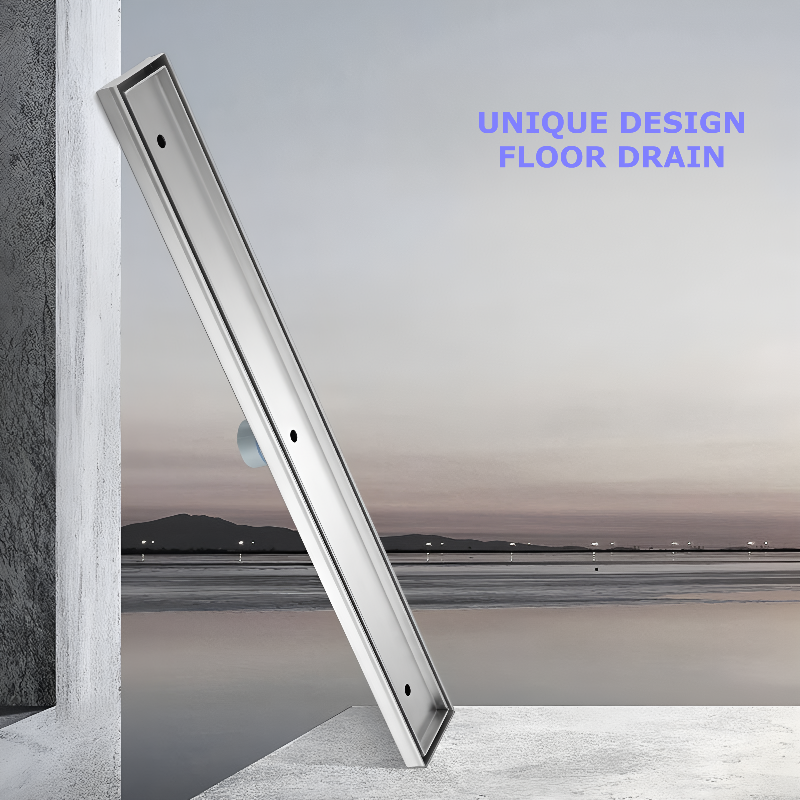
Stainless steel floor drains stand out as an environmentally responsible choice. One major reason is their high recyclability. At the end of their long service life, stainless steel drains can be fully recycled without losing quality. In fact, about 90% of stainless steel is recycled globally, and many products contain a significant portion of recycled material—often around 60%. This recycling process saves natural resources and reduces the environmental footprint compared to materials that end up in landfills.
Recycling stainless steel also conserves energy. Producing new stainless steel from recycled scrap uses far less energy than making it from raw ore. For example, recycling one ton of stainless steel saves approximately 1,100 kg of iron ore, 630 kg of coal, and 55 kg of limestone. These savings translate to fewer greenhouse gas emissions and less environmental degradation.
Moreover, stainless steel’s durability contributes to sustainability. Its resistance to corrosion and wear means drains last much longer than alternatives like cast iron or PVC. This longevity reduces the frequency of replacement and disposal, lowering waste generation and resource consumption over time.
Many manufacturers practice lean production techniques, minimizing waste during stainless steel drain fabrication. Excess material is often collected and recycled, further cutting waste. This approach supports eco-friendly manufacturing and helps companies meet sustainability goals.
Using stainless steel floor drains also supports green building certifications. Their recycled content and durability align well with standards such as LEED (Leadership in Energy and Environmental Design). Facilities aiming for environmental certifications benefit from choosing stainless steel components.
In addition, stainless steel drains do not release harmful substances during use or disposal. Unlike some plastics, they do not leach chemicals into the environment. Their inert nature makes them safe for diverse applications, including food processing and healthcare, where environmental and health safety are critical.
In summary, stainless steel floor drains contribute positively to eco-friendly practices through recyclability, energy savings, durability, and safe disposal. Choosing stainless steel supports sustainability efforts while providing a high-performance drainage solution.
Criteria | Stainless Steel Floor Drains |
Recyclability | 90% of stainless steel is recycled globally, with up to 60% recycled material in products |
Energy Conservation | Producing stainless steel from recycled scrap saves energy and reduces greenhouse gas emissions |
Material Efficiency | Recycling one ton of stainless steel saves 1,100 kg of iron ore, 630 kg of coal, and 55 kg of limestone |
Durability | Long lifespan due to corrosion and wear resistance, reducing replacement frequency |
Waste Reduction | Lean production techniques minimize waste during fabrication, with excess material recycled |
Green Building Certifications | Supports LEED certification due to recycled content and durability |
Health and Safety | Inert material; does not leach harmful substances, making it safe for applications like food processing and healthcare |
Environmental Impact | Reduces landfill waste and resource consumption over time due to longevity and recyclability |
Stainless steel floor drains are incredibly versatile, making them suitable for a wide range of settings. Whether in homes, businesses, or factories, these drains adapt seamlessly to different environments and needs.
Residential UseIn homes, stainless steel drains are common in kitchens, bathrooms, and laundry areas. They blend well with modern decor thanks to their sleek appearance. Their corrosion resistance means they can handle water, soap, and cleaning chemicals without deteriorating. Plus, their easy-to-clean surface helps maintain hygiene and prevents mold or bacteria buildup, especially in damp areas.
Commercial SettingsIn commercial spaces like restaurants, retail stores, and gyms, stainless steel drains are a popular choice. They stand up to high foot traffic and heavy equipment. For example, in commercial kitchens, they resist food acids and cleaning agents, ensuring longevity. Their aesthetic appeal adds a polished look to upscale venues. Customization options—such as decorative covers or specific sizes—allow businesses to match their branding or design preferences.
Industrial ApplicationsFactories, warehouses, and manufacturing plants rely on stainless steel drains for their robustness. They can withstand harsh environments, including exposure to chemicals, salt, or extreme temperatures. Industries like pharmaceuticals, food processing, and chemical manufacturing benefit from stainless steel’s resistance to corrosion and biofilm formation. These drains also handle heavy loads, such as machinery or pallets, without warping or breaking.
Adaptability to Different Flooring MaterialsAnother key advantage is their compatibility with various flooring types. Stainless steel drains can be installed on concrete, tile, epoxy, or even wood floors, depending on the application. They can be recessed flush with the surface for a seamless look or surface-mounted for easier access and cleaning. This flexibility ensures that they fit into existing structures or new designs without extensive modifications.
Design and Installation FlexibilityDesign options include different shapes—round, square, or rectangular—and finishes like brushed or polished stainless steel. Some models are modular, making installation faster and more straightforward. They can be retrofitted into older buildings by relining existing drains with stainless steel inserts, saving time and cost.
Examples of Use
● Outdoor patios with drainage grates that resist weathering
● Hospital operating rooms requiring sterile, easy-to-clean solutions
● Sports arenas with large, high-flow trench drains
● Food processing plants where hygiene and chemical resistance are critical
In summary, stainless steel floor drains adapt well across diverse environments. Their durability, aesthetics, and customization make them an excellent choice for any project. Whether in a cozy home or a large industrial facility, they deliver reliable performance and long-lasting value.
Choosing stainless steel floor drains might seem like a bigger investment upfront. However, their long-term benefits far outweigh the initial expense. These drains are designed to last decades, which means fewer replacements and repairs over time. Their durability reduces the need for frequent maintenance, saving money in the long run.
Unlike cheaper materials like cast iron, PVC, or porcelain, stainless steel resists corrosion, rust, and damage caused by water, chemicals, and temperature fluctuations. This resistance ensures the drain remains functional for many years, even in harsh environments. As a result, facility managers and business owners avoid the recurring costs associated with fixing or replacing inferior materials.
Although the initial cost of stainless steel drains is higher, their longevity makes them cost-effective. They reduce operational downtime caused by drain failures, especially in industries like food processing, healthcare, and manufacturing where hygiene and continuous operation matter. The reduced need for repairs and replacements translates into significant savings over the product's lifespan.
Another aspect of cost savings involves maintenance. Stainless steel drains are easy to clean and maintain. Their smooth surfaces prevent grime buildup and bacterial growth, which means less frequent cleaning and fewer chemical cleaners needed. This not only saves money but also reduces the environmental impact of cleaning agents.
Recycling also adds to their cost-effectiveness. When it's time to upgrade or decommission facilities, stainless steel drains can be recycled. Recycling stainless steel saves energy and natural resources—about 60% of stainless steel contains recycled material, and 90% of it can be reprocessed at end-of-life. This eco-friendly feature can sometimes qualify facilities for green building certifications, which may lead to tax incentives or other benefits.
Furthermore, stainless steel's resistance to chemical attack minimizes damage from cleaning agents or industrial chemicals. This resistance extends the drain's lifespan, avoiding costly replacements due to corrosion or deterioration.
In summary, while stainless steel floor drains may cost more initially, their durability, low maintenance, recyclability, and resistance to damage make them a smart, cost-effective choice in the long run. They help facilities operate smoothly, reduce operational costs, and promote sustainability.
Stainless steel floor drains offer numerous benefits, including durability, hygiene, and aesthetic appeal. They resist corrosion, withstand heavy loads, and are easy to maintain. Their chemical resistance and versatility across various applications make them ideal for residential, commercial, and industrial settings. Although they have a higher initial cost, their long-term savings and environmental sustainability make them a wise investment. Choosing stainless steel floor drains from METECHWORKS ensures quality and value, enhancing facility performance and longevity.
A: A Stainless Steel Floor Drain is a drainage system component made from stainless steel, known for its durability, corrosion resistance, and hygienic properties.
A: Stainless Steel Floor Drains offer superior corrosion resistance, longevity, and hygiene, making them ideal for harsh environments and reducing maintenance costs.
A: They withstand heavy loads and harsh chemicals, ensuring reliability and durability in industrial settings, such as chemical plants and food processing facilities.
A: Yes, despite higher initial costs, their long-term durability and low maintenance result in significant savings over time.
A: Yes, they offer design flexibility, allowing customization in shapes, sizes, and finishes to match specific aesthetic and functional needs.


