


Views: 0 Author: Site Editor Publish Time: 2025-11-19 Origin: Site


Ever wondered what makes a stainless steel floor drain the top choice for modern spaces? These drains offer unmatched durability and style. Choosing the right floor drain can significantly impact functionality and aesthetics. In this post, you'll learn about stainless steel floor drains, their importance, and how they compare to other materials.
Stainless steel floor drains are a popular choice for many commercial and residential spaces. They offer a range of advantages that make them stand out from other materials. Understanding these benefits will help you make an informed decision when selecting the right drain for your project.
One of the biggest perks of stainless steel is its durability. These drains are built to last, resisting impacts, heavy foot traffic, and constant use. They can withstand harsh environments, including high moisture, chemicals, and temperature fluctuations. This resilience means fewer replacements and repairs over time, saving you money and effort in the long run.
Stainless steel’s chromium content forms a passive film that protects against rust and corrosion. This makes it ideal for humid spaces like bathrooms, kitchens, and outdoor areas exposed to rain or sprinkler systems. Unlike other metals that rust or degrade, stainless steel maintains its strength and appearance even after years of exposure to moisture.
Cleaning stainless steel is straightforward. Its smooth surface prevents dirt, grime, and debris from sticking stubbornly. Regular wiping with mild soap and water keeps it looking shiny and new. Unlike cast iron or brass, it doesn’t require frequent polishing or special treatments. This low-maintenance feature ensures hygiene and keeps the drain functioning smoothly.
Stainless steel has a sleek, modern look that complements contemporary design styles. Its shiny finish adds a touch of sophistication to any space. Plus, it’s highly customizable—brushed, polished, or matte finishes can match various interior aesthetics. This aesthetic versatility allows it to blend seamlessly into different environments, from upscale kitchens to industrial facilities.
Tip: Regularly inspect stainless steel drains for any signs of damage or buildup to ensure optimal performance and prolong their lifespan.
When choosing a floor drain, material choice greatly impacts durability, maintenance, and appearance. Stainless steel is a top contender, but how does it compare to other common materials like PVC, cast iron, and brass? Let’s break down the differences.
PVC floor drains are lightweight and affordable, making them popular for budget-conscious projects. They resist corrosion well because they’re plastic, so rust isn’t a problem. However, PVC tends to be brittle, especially in cold climates, where it can crack or degrade over time. Its lifespan is shorter compared to metals.
Stainless steel, on the other hand, offers superior strength and longevity. It handles heavy foot traffic and harsh conditions better. Plus, it looks sleek and modern, unlike PVC’s utilitarian appearance. Maintenance is easier too, since stainless steel cleans quickly and won’t warp or discolor.
Cast iron has been a traditional choice for floor drains due to its strength and weight. It can withstand heavy loads, making it suitable for industrial or high-traffic areas. But cast iron rusts easily, requiring regular upkeep and sometimes replacement. It’s also heavy, complicating installation and transport.
Stainless steel offers similar strength but excels in corrosion resistance. It won’t rust or stain, even in damp environments. Installation is simpler because it’s lighter than cast iron. Stainless steel also resists dirt buildup better, making cleaning easier.
Brass drains bring a decorative, classic look with their warm golden tone. They resist corrosion fairly well and develop a natural patina over time, adding vintage charm. However, brass requires more maintenance to keep its shine and can tarnish if neglected.
Stainless steel provides a more modern, versatile aesthetic. It withstands wear and chemical exposure better than brass. Maintenance is simpler since it doesn’t need polishing to maintain its appearance. For those wanting a clean, contemporary look with less fuss, stainless steel is often preferred.
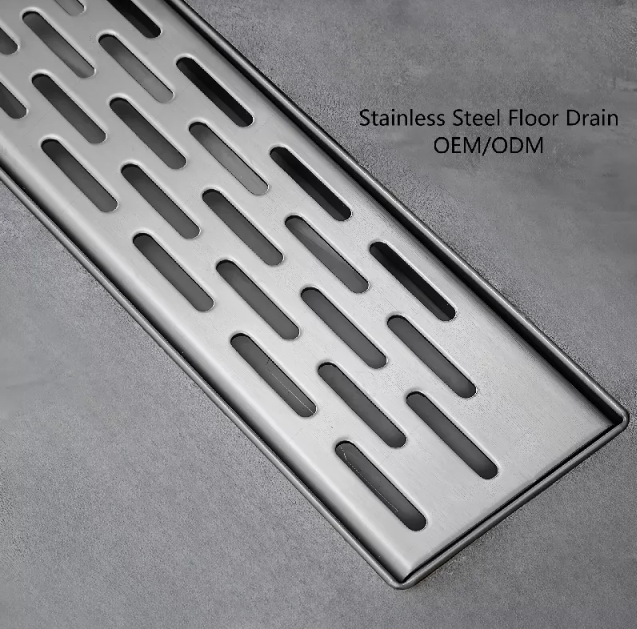
When choosing a stainless steel floor drain, understanding the different types available helps match your needs perfectly. Each type offers unique benefits in terms of drainage efficiency, installation, and design appeal.
Linear floor drains feature a long, narrow shape, usually rectangular or a thin strip. They provide a larger drainage area along one side, allowing water to flow quickly and evenly. This design suits large shower floors, wet rooms, or commercial spaces where rapid water removal is critical. They create a sleek, modern look and can be installed flush with the floor for a seamless finish.
Advantages:
● Efficient drainage over a wide area
● Easier to clean due to wide opening
● Stylish and contemporary appearance
● Ideal for barrier-free showers
Considerations:
● Requires precise installation for proper slope
● May cost more than traditional drains
Square floor drains are the classic choice, featuring a simple square or rectangular shape. They fit well in many bathroom designs and provide robust drainage performance. Their symmetrical shape makes them easy to install in corners or central floor areas. Square drains often come with various grate designs, from slotted to perforated, allowing customization based on debris filtration needs.
Advantages:
● Versatile and widely compatible
● Stable drainage performance
● Easier to align with tiled floors
● Available in many sizes and grate styles
Considerations:
● Cleaning corners of the grate may require extra attention
● Less modern appearance compared to linear drains
Circular floor drains offer a smooth, simple design that fits well in smaller spaces, such as compact showers or around bathtubs. Their round shape allows water to flow evenly from all directions. These drains are often easier to install because they don't require precise alignment with tile patterns.
Advantages:
● Compact and easy to install
● Simple to clean due to smooth edges
● Works well in small or rounded spaces
● Timeless, minimalist aesthetic
Considerations:
● Smaller drainage area compared to linear or square types
● May clog faster if not cleaned regularly
Selecting the perfect stainless steel floor drain involves understanding your specific needs and balancing several key factors. Here’s a straightforward guide to help you make an informed choice.
Start by considering where the drain will be installed. Will it be indoors or outdoors? Is it for a residential bathroom, commercial kitchen, or industrial space? Think about the volume of water flow expected. High-traffic areas or heavy water use demand larger drains with higher capacity. Also, note any special needs like odor control, debris filtration, or aesthetic preferences. By clearly defining these requirements, you can narrow down your options effectively.
Not all stainless steel is created equal. Look for high-grade materials like 304 or 201 stainless steel, offering superior corrosion resistance. This ensures your drain withstands moisture, chemicals, and cleaning agents over time. Investing in quality reduces replacement costs and maintenance efforts later. Also, check for durable construction, such as reinforced seams or sturdy grates, to ensure longevity.
The drain’s capacity must match your water flow. For example, a high-traffic commercial kitchen needs a drain that can handle large volumes quickly, minimizing backups. Check the flow rate specifications—measured in liters per second (L/s)—to ensure it meets your needs. Larger openings and efficient channel design improve drainage, especially in areas prone to heavy water flow. Remember, a drain with insufficient capacity can cause water pooling or unpleasant odors.
The grate not only affects appearance but also impacts functionality. Choose a design that complements your space and meets practical needs:
● Slotted grates: Ideal for moderate water flow, easy to clean.
● Perforated or mesh grates: Better for high debris areas, prevent clogging.
● Solid or decorative covers: For aesthetic appeal, especially in visible spots.
Ensure the grate is removable for cleaning and maintenance. A well-designed grate can prevent debris buildup, reduce clogging, and make routine cleaning easier.
Proper installation and regular maintenance ensure your stainless steel floor drain performs well and lasts long. Here’s what you need to know.
● Prepare the area: Ensure the floor surface is clean and level before installing the drain.
● Correct slope: The floor should slope toward the drain at about 1-2% gradient to guide water efficiently.
● Pipe connection: Use appropriate pipe sizes, typically 3 inches for residential, larger for commercial, to match drain capacity.
● Waterproofing: Apply waterproof membranes around the drain to prevent leaks and water damage.
● Flush installation: Position the drain flush with the floor surface for smooth drainage and a neat finish.
● Secure fitting: Fasten the drain firmly to prevent movement or loosening over time.
● Adjustable height: Choose drains with adjustable collars to accommodate different floor thicknesses.
Following these steps helps avoid common issues like water pooling, leaks, or uneven drainage.
● Regular cleaning: Remove the grate and clean debris like hair, dirt, or soap scum weekly.
● Flush with water: Pour hot water down the drain occasionally to clear buildup and maintain flow.
● Check seals: Inspect rubber gaskets or seals for wear and replace as needed to prevent odors or leaks.
● Clean filters: If your drain has a filter or strainer, clean it regularly to prevent clogging.
● Polish stainless steel: Wipe the surface with a soft cloth and mild detergent to keep the finish shiny and corrosion-free.
● Avoid harsh chemicals: Use gentle cleaners to protect the stainless steel and seals.
Consistent maintenance keeps your drain hygienic and functioning smoothly.
● Slow drainage: Clear debris from the grate and pipe. Use a plunger or drain snake if needed.
● Unpleasant odors: Check water seal height; refill if dry. Clean or replace odor-blocking components.
● Leaks: Inspect pipe connections and seals. Tighten fittings or replace damaged parts.
● Rust spots: Clean gently with stainless steel cleaner. Persistent rust may indicate poor-quality steel.
● Noisy drain: Ensure the drain is securely fastened. Loose parts can cause rattling sounds.
Addressing problems early prevents costly repairs and extends drain life.
Choosing the right stainless steel floor drain isn't just about performance and appearance. It also involves understanding its environmental impact and long-term costs. These factors can significantly influence your decision, especially for commercial projects or eco-conscious buyers.
Stainless steel is highly recyclable, making it an eco-friendly choice. When you opt for stainless steel drains, you're supporting sustainability because the material can be reprocessed endlessly without losing quality. This reduces waste and lowers environmental footprint. Additionally, stainless steel's durability means fewer replacements, which cuts down on manufacturing waste and resource consumption over time.
Moreover, stainless steel doesn't require harsh chemicals for cleaning or maintenance. Its smooth surface resists dirt, grime, and corrosion, meaning less chemical runoff into the environment. This eco-friendly aspect makes stainless steel an excellent choice for spaces aiming for green certifications or sustainable design.
While stainless steel drains often have higher upfront costs compared to plastic or cast iron options, they tend to be more economical over their lifespan. Their durability reduces the need for frequent replacements or repairs, saving money in the long run.
For example, a stainless steel drain can last 20-30 years, resisting rust, corrosion, and damage. In contrast, PVC drains may need replacement every 10 years, especially in harsh environments. Maintenance costs are also lower since stainless steel is easy to clean and resistant to buildup.
A simple cost comparison might look like this:
Material | Initial Cost | Maintenance Cost | Estimated Lifespan | Total Cost Over 20 Years |
Stainless Steel | Higher | Low | 20-30 years | More economical in the long run |
PVC | Lower | Medium | 10 years | May require multiple replacements |
Cast Iron | Medium | High | 15-20 years | Potentially more expensive over time |
This table illustrates that investing in quality stainless steel can lead to savings over decades, especially considering maintenance and replacement costs.
Another important factor is the availability of spare parts. Replacing or repairing a stainless steel drain is easier if the manufacturer offers readily available components like grates, seals, or filters. This ensures minimal downtime and keeps your drainage system functioning smoothly.
Many reputable brands provide a wide range of spare parts compatible with their stainless steel drains. This availability extends the lifespan of your investment, allowing quick repairs without the need to replace the entire unit.
In addition, choosing a well-known brand with good customer support can help you source parts more easily, especially if your project requires custom sizes or finishes.
Stainless steel floor drains offer durability, corrosion resistance, and easy maintenance. They are cost-effective over time. When selecting, consider your specific needs, quality, and drainage capacity. Brands like METECHWORKS provide high-quality stainless steel drains that ensure long-term efficiency. Future trends in floor drain design focus on eco-friendliness and customizable aesthetics. Investing in stainless steel drains from METECHWORKS ensures a reliable, sustainable solution for any space.
A: A stainless steel floor drain is a drainage system component made from stainless steel, known for its durability, corrosion resistance, and aesthetic appeal, used in residential and commercial spaces.
A: Stainless steel floor drains offer superior durability, corrosion resistance, easy maintenance, and a sleek appearance compared to materials like PVC, cast iron, or brass.
A: Maintain a stainless steel floor drain by regularly cleaning debris, flushing with water, checking seals, and using mild cleaners to preserve its shine and functionality.
A: Although initially more expensive, stainless steel floor drains offer long-term savings due to their durability, low maintenance costs, and long lifespan compared to other materials.
A: Stainless steel floor drains are eco-friendly as the material is recyclable, reducing waste, and they require fewer replacements, minimizing resource consumption over time.


