


Views: 0 Author: Site Editor Publish Time: 2025-10-15 Origin: Site


Efficient airflow management is a cornerstone of modern commercial building design. Proper ventilation not only ensures comfort for occupants but also contributes to energy savings, indoor air quality, and long-term operational efficiency. Among the various components in HVAC (Heating, Ventilation, and Air Conditioning) systems, butterfly backdraft dampers play a critical role in optimizing airflow. These devices prevent unwanted backflow, minimize energy loss, and ensure that conditioned air reaches the intended spaces efficiently.
A butterfly backdraft damper is a type of valve installed in HVAC ductwork to control airflow direction. Its design features a circular disc mounted on a central shaft that pivots to allow air to pass in the desired direction. When airflow reverses, the disc swings shut, preventing backflow.
Unlike gravity or louvered backdraft dampers, butterfly dampers offer a compact design, rapid response, and adaptability to high-velocity systems. Their simple yet effective operation makes them ideal for commercial buildings where airflow control, energy efficiency, and maintenance reliability are paramount.
The operation of a butterfly backdraft damper is straightforward:
Forward Airflow: When air moves in the intended direction, the damper disc opens fully, allowing minimal resistance and maintaining system efficiency.
Reverse Airflow: When air attempts to flow backward, the disc closes automatically, blocking reverse movement. This closure is typically aided by gravity, spring mechanisms, or counterweights.
Sealing: High-quality dampers include seals or gaskets to ensure airtight closure, preventing leakage and enhancing energy efficiency.
By controlling airflow effectively, butterfly backdraft dampers protect HVAC components from stress, reduce energy loss, and maintain a consistent indoor environment.
Commercial buildings—such as office towers, shopping malls, hotels, hospitals, and educational institutions—rely on complex HVAC systems to maintain comfortable, safe, and healthy indoor conditions. The design and operation of these systems are not merely about controlling temperature; they are also about ensuring that air moves efficiently throughout the building. Airflow efficiency is a critical factor that influences energy consumption, occupant comfort, indoor air quality, and the longevity of HVAC equipment.
One of the primary challenges in commercial HVAC systems is managing airflow across extensive duct networks. Large buildings often contain multiple zones with varying heating, cooling, and ventilation requirements. Without proper airflow management, conditioned air can escape through unintended paths, mix with unconditioned air, or even flow backward through the system. These issues can lead to inconsistent temperatures, drafts, and uneven pressure, which not only make the indoor environment uncomfortable but also increase energy usage.
Efficient airflow is essential for energy conservation. When heated or cooled air is delivered directly to occupied spaces without escaping or mixing with other air streams, HVAC systems operate more efficiently. Butterfly backdraft dampers play a crucial role in this process by preventing reverse airflow, ensuring that the energy invested in heating or cooling is not wasted. In large commercial buildings, even a small percentage of airflow loss due to backdrafts can result in substantial increases in energy bills. By maintaining directional airflow, these dampers contribute to reduced operational costs and support sustainability initiatives, which are increasingly important for green building certifications such as LEED and BREEAM.
Another vital aspect of airflow efficiency is indoor air quality (IAQ). Backdrafts in ductwork can carry dust, fumes, odors, and other airborne contaminants from one area of the building to another. This is particularly concerning in sensitive environments such as hospitals, laboratories, pharmaceutical facilities, and food processing areas, where maintaining clean and contaminant-free air is critical. Butterfly backdraft dampers ensure that air moves in the intended direction, preventing contaminants from spreading and maintaining a healthy indoor environment for occupants. Improved IAQ also reduces the risk of respiratory issues and enhances overall productivity in office and educational settings.
Inefficient airflow can place unnecessary strain on HVAC system components, including fans, blowers, motors, and ductwork. Reverse airflow forces fans to work harder, potentially leading to overheating, increased wear and tear, and premature failure. By installing butterfly backdraft dampers, building operators can reduce mechanical strain, extend equipment life, and minimize maintenance requirements. This not only improves system reliability but also reduces the likelihood of unexpected downtime, which can be particularly disruptive in commercial spaces such as hospitals, hotels, and airports where continuous operation is essential.
Airflow efficiency directly impacts occupant comfort. Inconsistent airflow can create hot or cold spots, drafts, and pressure imbalances, which make certain areas uncomfortable and may lead to complaints or increased demand on building management systems. Butterfly backdraft dampers contribute to a consistent and balanced airflow distribution, ensuring that all zones in the building receive the appropriate volume of conditioned air. This consistency is essential for occupant satisfaction, particularly in office buildings, hotels, and retail spaces, where comfort levels influence productivity, customer experience, and tenant retention.
Backdrafts and turbulence in duct systems can also generate unwanted noise, including whistling, rattling, or vibration. In commercial buildings such as conference centers, hotels, or high-rise offices, noise from HVAC systems can disrupt work, meetings, and overall occupant experience. Butterfly backdraft dampers help minimize turbulence by maintaining smooth, directional airflow. Their design reduces vibration and resonance, contributing to a quieter, more pleasant indoor environment.
Finally, butterfly backdraft dampers offer flexibility and adaptability in HVAC system design. They can be installed in horizontal or vertical ducts and are suitable for both new construction and retrofitting existing systems. Their compact design allows integration into constrained spaces without requiring extensive modifications to ductwork. This adaptability makes them a preferred choice for engineers and building managers who need efficient, reliable solutions for airflow control across diverse commercial applications.
In summary, airflow efficiency is a fundamental aspect of commercial building design, directly affecting energy consumption, air quality, system longevity, comfort, and noise levels. Butterfly backdraft dampers are a highly effective tool for achieving these objectives, particularly in large buildings with complex ductwork, where controlling airflow direction is critical to overall system performance. By incorporating these dampers, building operators can optimize HVAC efficiency, reduce operating costs, and enhance the indoor environment for occupants.
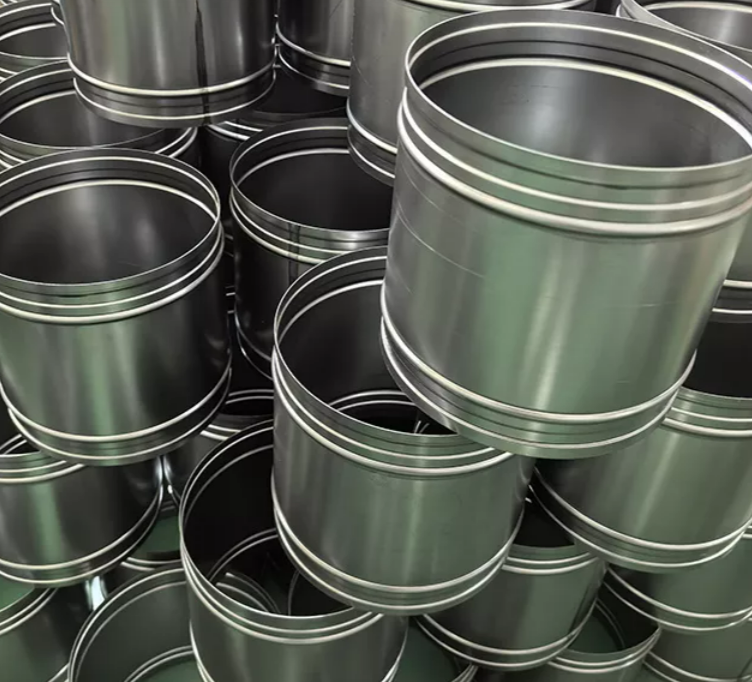
Butterfly backdraft dampers are versatile and used across various commercial applications:
Office Buildings: Maintain consistent airflow in central ventilation systems and prevent energy waste in multi-story structures.
Shopping Centers and Malls: Control large volumes of air and prevent reverse airflow from exhaust systems.
Hotels and Hospitality: Ensure guest comfort by maintaining efficient airflow in HVAC systems serving rooms, lobbies, and common areas.
Healthcare Facilities: Critical for preventing contamination in controlled environments, operating theaters, and patient wards.
Kitchens and Food Courts: Used in exhaust systems to prevent cooking odors and grease-laden air from re-entering occupied areas.
Selecting the appropriate butterfly backdraft damper involves several considerations:
Material Selection: Depending on the air type and environmental conditions, materials may include galvanized steel, stainless steel, or aluminum. Corrosive environments require corrosion-resistant materials.
Size and Capacity: The damper should match the duct diameter and airflow volume to avoid excessive pressure drops.
Orientation and Mechanism: Vertical and horizontal installations may require different spring or counterweight configurations to ensure proper closure.
Sealing Requirements: High-efficiency systems may require airtight seals to prevent leakage.
Maintenance Access: Ensure that dampers can be easily inspected, cleaned, or serviced without major disassembly.
Working with experienced suppliers or HVAC engineers can help select a damper that meets both performance and compliance standards.
Proper installation is crucial for butterfly backdraft dampers to function effectively:
Alignment: Ensure the damper is correctly aligned with airflow to prevent sticking or uneven wear.
Clearances: Provide enough space for the disc to swing freely without obstruction.
Secure Mounting: Use appropriate supports and brackets, especially for larger dampers, to reduce vibration and ensure stability.
Operational Testing: After installation, test the damper under normal system conditions to verify smooth opening and complete closure.
Adhering to these best practices ensures optimal performance and energy efficiency.
Routine maintenance enhances performance and prevents operational issues:
Debris Removal: Keep the damper disc and surrounding area free from dust, dirt, or foreign objects.
Lubrication: Periodically lubricate pivot points or bearings if applicable.
Seal Inspection: Replace worn or degraded gaskets to maintain airtight closure.
Performance Checks: Listen for unusual noises or delayed closure, which may indicate misalignment or mechanical issues.
Consistent maintenance helps sustain energy efficiency and prolongs damper lifespan.
Butterfly backdraft dampers are vital components in commercial HVAC systems. By preventing reverse airflow, they contribute to energy efficiency, maintain indoor air quality, reduce mechanical strain, and enhance occupant comfort. Proper selection, installation, and maintenance are essential to realize these benefits fully.
For commercial building managers, engineers, and HVAC professionals seeking high-quality butterfly backdraft dampers, Ningbo Atechsafe Electrical Technology Co., Ltd. provides reliable solutions tailored to various commercial applications. Their products are designed for durability, efficiency, and ease of integration into modern HVAC systems. For more information or to find the right damper for your building, you can explore their offerings or contact them directly.


