


Views: 0 Author: Site Editor Publish Time: 2025-10-16 Origin: Site


Butterfly backdraft dampers play a crucial role in modern HVAC (Heating, Ventilation, and Air Conditioning) systems. Designed to prevent reverse airflow, they maintain system efficiency, protect equipment, and ensure indoor air quality. For facility managers, HVAC technicians, and building owners, understanding how to properly install a butterfly backdraft damper is essential to optimize performance and avoid costly maintenance issues.
In this comprehensive guide, we’ll walk you through the step-by-step installation process, highlight key considerations, and provide tips to ensure your butterfly backdraft damper functions reliably for years to come.
Before diving into the installation process, it’s important to understand what a butterfly backdraft damper is and why it is used.
A butterfly backdraft damper is a type of airflow control device installed in ducts to allow airflow in one direction while preventing reverse flow. It features a circular or rectangular plate that pivots around a central axis, similar to a butterfly’s wings—hence the name. When air flows in the intended direction, the damper opens; when airflow reverses, the damper closes, preventing backflow.
Key Benefits:
Prevents reverse airflow: Protects HVAC equipment and ensures clean air circulation.
Improves energy efficiency: Minimizes unnecessary pressure drops and energy loss caused by backflow.
Reduces contamination: Stops odors, dust, and pollutants from moving backward into clean areas.
Low maintenance: Simple mechanical design with durable materials.
Butterfly backdraft dampers are widely used in commercial buildings, industrial facilities, hospitals, and even residential applications. Their simple yet effective design makes them an essential component of reliable HVAC systems.
Before starting the installation, gather the following tools and materials:
Materials:
Butterfly backdraft damper (correct size for ductwork)
Duct sealant or gaskets
Mounting hardware (screws, bolts, or clamps)
Tools:
Screwdriver or drill
Wrench set
Tape measure
Level
Personal protective equipment (PPE) – gloves, safety glasses
Optional Materials:
Lubricant for pivot points
Insulation material for ducts
Vibration dampening pads
Having all tools and materials on hand before starting the installation will save time and help avoid mistakes.
Proper installation begins with inspection. Ensure the damper is free from damage, rust, or debris. Check the duct section where the damper will be installed:
Verify that the duct diameter or size matches the damper dimensions.
Ensure the duct is clean, straight, and free from obstructions.
Confirm that airflow direction matches the damper’s design (usually indicated by an arrow on the damper).
Pro Tip: Installing the damper in a misaligned duct or with damage can lead to improper sealing and backflow problems. Also, check for any prior modifications or bends in the duct that may interfere with the damper’s operation.
Preparation ensures a smooth installation process:
Turn off HVAC equipment – Make sure fans or blowers are off to prevent accidental airflow.
Mark damper placement – Use a tape measure to mark the centerline of the damper within the duct.
Clean the duct surface – Remove dust, dirt, and sharp edges to ensure a tight seal and prevent leakage.
Tip: If the duct is made of sheet metal, lightly deburr the edges to avoid damaging the damper or injuring yourself. Ensuring a smooth surface also improves the seal between the damper and the duct.
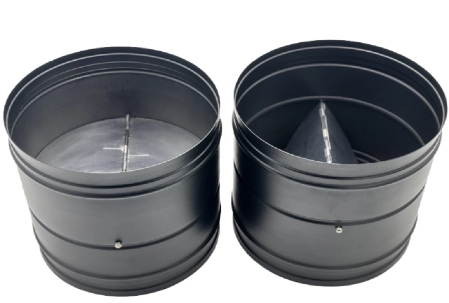
A tight seal around the damper is critical for efficiency. Depending on the damper type and duct material:
Gasket method: Place a pre-cut gasket around the perimeter of the damper.
Sealant method: Apply duct sealant or silicone caulk to the edges to prevent air leakage.
This step prevents unwanted airflow around the damper, maintaining HVAC performance and energy efficiency. For high-performance systems, using both gasket and sealant may offer added protection against leaks.
Carefully insert the butterfly backdraft damper into the duct:
Ensure the airflow arrow points in the correct direction.
Align the damper so that the pivot mechanism is centered and unobstructed.
Confirm that the damper opens and closes freely without rubbing against the duct walls.
Important: Misalignment can cause the damper to stick or fail to close properly, leading to backflow. In larger ducts, consider using temporary supports to hold the damper in position during installation.
After positioning, secure the damper using the appropriate hardware:
Screws or bolts: Drill pilot holes if necessary and attach the damper firmly to the duct.
Clamps: For flexible ducts, clamps may be used to hold the damper in place.
Ensure the damper is tight enough to prevent vibration during operation but not so tight that it restricts movement. Over-tightening can damage the pivot mechanism and compromise airflow.
Testing is a crucial step to ensure proper functionality:
Manual test: Open and close the damper manually to check for smooth movement.
Airflow test: Turn on the HVAC system and verify that the damper opens with forward airflow and closes when airflow reverses.
Check for leaks: Inspect around the damper perimeter for any air leakage. Apply additional sealant if necessary.
Pro Tip: Periodic testing every few months can help maintain performance and detect wear early. Keeping a maintenance log can also track damper performance over time.
Make final adjustments to ensure long-term reliability:
Tighten any loose fasteners.
Adjust the pivot or spring tension if the damper has an adjustable mechanism.
Ensure the damper swings freely without obstruction.
A properly adjusted damper will minimize maintenance needs and extend its operational life. For dampers installed in high-traffic or high-vibration areas, consider installing vibration dampening pads to prevent wear.
Even experienced technicians can make mistakes during installation. Here are some pitfalls to avoid:
Incorrect airflow orientation: Always verify the direction indicated on the damper.
Over-tightening: Too much pressure on the pivot can prevent proper opening and closing.
Skipping sealant: Neglecting a proper seal can reduce efficiency and increase energy costs.
Neglecting duct cleanliness: Debris can block the damper and reduce airflow.
Ignoring maintenance access: Install the damper where it can be easily reached for inspection and cleaning.
By avoiding these mistakes, you can ensure a long-lasting, efficient damper installation.
To maximize the lifespan and efficiency of your damper:
Regular inspection: Check at least twice a year for dirt accumulation or corrosion.
Clean pivot points: Lubricate or clean pivot mechanisms if necessary.
Replace damaged gaskets: Maintain a proper seal to prevent leaks.
Monitor airflow: Observe system performance to ensure dampers are functioning properly.
Well-maintained dampers improve HVAC system longevity and contribute to consistent indoor air quality. For large commercial systems, establishing a preventive maintenance schedule can save time and reduce unexpected repairs.
Butterfly backdraft dampers are versatile components in HVAC systems, offering essential protection against reverse airflow while improving energy efficiency and indoor air quality. Their applications span across a wide range of environments, from commercial complexes to sensitive laboratory spaces, making them a key element in both large-scale and small-scale ventilation systems.
Commercial Buildings: In office complexes, shopping malls, hotels, and other commercial spaces, maintaining consistent airflow is crucial for occupant comfort and energy efficiency. Butterfly backdraft dampers are often installed in ductwork to prevent conditioned air from flowing backward when fans are off, ensuring that heating or cooling systems operate effectively. By reducing unwanted backflow, these dampers help lower energy costs and maintain a consistent indoor climate, which is particularly important in high-traffic areas with variable ventilation demands.
Industrial Facilities: Factories, warehouses, and processing plants face unique challenges due to heavy machinery, heat generation, and airborne contaminants. Installing butterfly backdraft dampers in industrial ventilation systems protects sensitive equipment from reverse airflow that can carry dust, fumes, or smoke back into operational areas. This not only safeguards machinery but also helps maintain a safer working environment for employees. In large-scale industrial systems, dampers are critical for managing airflow between different zones and preventing cross-contamination.
Hospitals and Laboratories: In healthcare and laboratory environments, clean airflow is essential to prevent the spread of contaminants and maintain sterile conditions. Butterfly backdraft dampers are commonly used in air handling units and duct systems to ensure unidirectional airflow, supporting infection control protocols and protecting sensitive equipment. Their reliable operation is particularly important in isolation rooms, operating theaters, and cleanrooms where any backflow could compromise safety.
Residential Buildings: Although less common than in commercial or industrial settings, butterfly backdraft dampers are also used in residential HVAC systems. They help maintain comfort by preventing cold or hot air from flowing back into ducts when heating or cooling units are off. This improves energy efficiency and reduces drafts, contributing to a more comfortable living environment.
Installing a butterfly backdraft damper may seem straightforward, but attention to detail is critical for optimal performance. From careful inspection and preparation to proper sealing, alignment, and testing, each step ensures the damper prevents backflow, protects HVAC equipment, and improves energy efficiency.
For businesses, facility managers, and HVAC technicians looking for reliable butterfly backdraft dampers and expert advice on installation, Ningbo Atechsafe Electrical Technology Co., Ltd. offers high-quality products and professional guidance. Their solutions help ensure your HVAC systems operate efficiently and safely, making them a trusted partner in the industry.
To explore a range of butterfly backdraft dampers and learn more about installation best practices, visit Ningbo Atechsafe Electrical Technology Co., Ltd. today.


