


Views: 0 Author: Site Editor Publish Time: 2026-03-16 Origin: Site


Metal Sheet Bending Parts are a crucial component in modern manufacturing, playing a vital role in the production of a wide variety of products across multiple industries. From automotive components to electrical enclosures, and even consumer goods, these parts are fundamental in shaping the structure and functionality of end products. The process of bending sheet metal involves applying controlled force to a metal sheet, transforming it into the desired shape or angle without compromising its integrity. Due to their versatility, metal sheet bending parts are integral in industries such as aerospace, construction, electronics, and industrial equipment manufacturing. As manufacturing demands continue to evolve, the importance of Metal Sheet Bending Parts increases, driving innovation and enhancing production efficiency. Understanding how to design and produce these parts accurately is critical to achieving high-quality, durable products, and ensuring cost-effective manufacturing processes.
When designing Metal Sheet Bending Parts, there are several key factors to consider to ensure that the parts meet quality standards and function as intended. These factors include material selection, bend radius, sheet thickness, and compensating for springback. Each of these considerations plays a crucial role in the success of the bending process.
The choice of material is one of the most critical aspects in Metal Sheet Bending. Different metals have unique properties that affect how they bend and how well they retain their shape after bending. For example:
Ductility: Materials with higher ductility, such as aluminum and copper, are easier to bend without cracking.
Strength: Stronger metals like steel require more force for bending, and their behavior can be more challenging to control.
Elasticity: Materials with different elastic properties can result in varying amounts of springback after bending, influencing the final shape.
Thickness: Thicker materials may require more power and specific tooling to achieve clean bends, while thinner materials may be more prone to deformation.
Selecting the right material ensures that the bending process will be both efficient and result in a durable part.
The bend radius refers to the radius of the inside curve of a bent sheet of metal. Choosing the correct bend radius is essential for ensuring that the metal does not crack or lose its structural integrity.
To calculate the proper bend radius, consider the following:
Material Type: Different materials require different bend radii. Softer materials like aluminum typically require a smaller bend radius, while stronger materials like stainless steel require a larger radius.
Thickness of the Material: The bend radius is often a multiple of the material thickness. A general rule of thumb is that the minimum bend radius should be at least equal to the thickness of the material, but in some cases, it may need to be larger.
Choosing the appropriate bend radius helps to avoid defects like cracking and ensures that the part maintains its strength and functionality after bending.
The thickness of the sheet metal has a direct impact on the bending process. Thicker sheets require more force to bend, and they are also more prone to cracking if not handled correctly. Conversely, thinner sheets are easier to bend but may result in deformation or warping if the process is not carefully controlled.
Thicker Materials: More force and power are needed for bending, and there is a higher risk of the material springing back.
Thinner Materials: These bend more easily but can be more susceptible to surface damage, bending out of shape, or unwanted deformation.
Choosing the right sheet thickness depends on the application and the structural requirements of the part.
Springback refers to the tendency of a material to return partially to its original shape after bending. This is a common issue in the bending of metal sheets, especially with materials that have high elasticity or are thicker.
To compensate for springback, designers and manufacturers use several techniques:
Overbending: Bending the material slightly beyond the target angle to allow for springback, ensuring the final angle is accurate.
Adjusting Die or Tooling: Modifying the shape of the dies or the press brake settings to account for the expected springback in the material.
Material Properties: Understanding the material's specific springback characteristics helps in making the necessary adjustments during the bending process.
Proper compensation for springback ensures that the Metal Sheet Bending Parts meet precise specifications and perform as required.
In addition to basic factors like material, bend radius, and sheet thickness, several key technical aspects influence the quality and performance of Metal Sheet Bending Parts. These include the bend sequence, press brake selection, and tooling design.
The bend sequence determines the order of operations during bending, which affects part accuracy and stress distribution.
Stress Control: Bending in the correct order reduces internal stress, preventing deformation or cracking.
External vs. Internal Bends: Typically, external bends are made first, followed by internal bends to support the material and minimize distortion.
Complex Parts: Proper sequence planning avoids interference between bends, ensuring smoother production and better part quality.
Optimizing the bend sequence improves part accuracy and reduces defects like warping or cracking.
Selecting the correct press brake is essential for achieving precision and consistency in bending.
CNC vs. Manual Press Brakes: CNC press brakes offer greater precision and repeatability, especially for complex parts.
Tonnage Capacity: Ensure the press brake’s tonnage is suitable for the material's thickness and strength.
Accuracy: High-precision machines allow for tighter tolerances and better part consistency.
Size: Match the press brake’s capacity with the size of the parts to ensure optimal results.
Choosing the right press brake ensures accurate and consistent bends, improving overall part quality.
Tooling design influences the precision and quality of Metal Sheet Bending Parts.
Die and Punch Design: Well-designed dies and punches ensure even, accurate bends without deformation.
Tooling Material: Durable materials for tooling ensure long-lasting precision and fewer wear issues.
Clearance: Proper die-punch clearance is critical for achieving accurate bends without damaging the tooling or material.
Effective tooling design ensures parts are formed accurately and consistently, contributing to higher quality and efficiency.
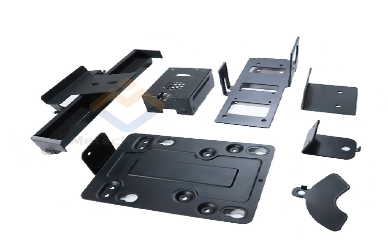
Designing Metal Sheet Bending Parts can present several challenges, including cracking, deformation, surface defects, and balancing cost with quality. Addressing these issues is crucial for ensuring the parts are functional, durable, and cost-effective.
Cracking and deformation are common problems in Metal Sheet Bending Parts, especially with materials that are difficult to bend.
Minimize Cracking: Use the correct bend radius and ensure it is proportionate to the material’s thickness. Bending too sharply can cause the material to crack.
Avoiding Deformation: Apply gradual, consistent pressure and ensure the material is fully supported during bending to prevent warping or twisting.
Pre-Bending Treatments: For some materials, heat treatment or lubrication can reduce the risk of cracking and deformation.
By carefully selecting the correct bending methods and controlling the bending force, cracking and deformation can be minimized.
Surface defects, such as scratches, dents, and blemishes, can compromise the appearance and functionality of Metal Sheet Bending Parts.
Tooling Precision: Ensure that the dies and punches are clean and well-maintained. Dirty or worn-out tooling can cause surface imperfections.
Proper Handling: Avoid direct contact with the bending surface during handling. Use protective covers or tools to reduce the risk of scratches.
Material Selection: Choose materials with better surface quality or coatings that are less prone to surface damage.
Maintaining clean tooling, proper handling, and selecting high-quality materials help to prevent surface defects.
Balancing quality with cost efficiency is a constant challenge in the design of Metal Sheet Bending Parts.
Optimized Material Usage: Design parts to minimize material waste by utilizing sheet layouts that make the most of the available material.
Efficient Manufacturing Processes: Use automated machinery and efficient bending sequences to reduce labor and machine time.
Tooling Durability: Invest in high-quality tooling that will last longer, reducing the need for frequent replacements and ensuring better long-term results.
Achieving cost efficiency while maintaining high-quality standards requires careful planning and optimization throughout the design and manufacturing processes.
When selecting materials, consider the metal's ductility and strength. Common choices include stainless steel, aluminum, and mild steel.
A too-small bend radius can cause material cracking, while a larger radius may affect part strength and aesthetics.
Springback can be compensated by over-bending the part slightly and by controlling the press brake's pressure to ensure the desired shape.
Optimizing tooling design, selecting high-precision machines, and using quality materials can improve part accuracy and consistency during production.
As the demand for Metal Sheet Bending Parts continues to grow, innovative design trends are emerging to improve efficiency, precision, and sustainability in the manufacturing process. One of the most significant trends is the increased use of automation and smart manufacturing technologies. Automated systems and robotics are now being integrated into the bending process, allowing for faster production times, greater precision, and reduced human error. Additionally, the implementation of Internet of Things (IoT)-enabled machines allows for real-time monitoring and adjustments, improving the overall quality and consistency of the parts. These advancements not only enhance manufacturing efficiency but also enable more flexible and cost-effective production, allowing for rapid adaptation to new designs and materials.
As technology evolves, the future of Metal Sheet Bending Parts design will likely see even greater advancements, such as the use of AI for design optimization and predictive maintenance, further enhancing the design and manufacturing processes.


